BUY ART



The Empowering, Fashionable Portraits of Otis Quaicoe
The Ghanaian artist's route to American fame was not an easy one, but finding himself in a foreign world led to the singular paintings he is now known for in the art market
Maya Garabedian / MutualArt
Jan 20, 2021
The Ghanaian artist's route to American fame was not an easy one, but finding himself in a foreign world led to the singular paintings he is now known for in the art market.
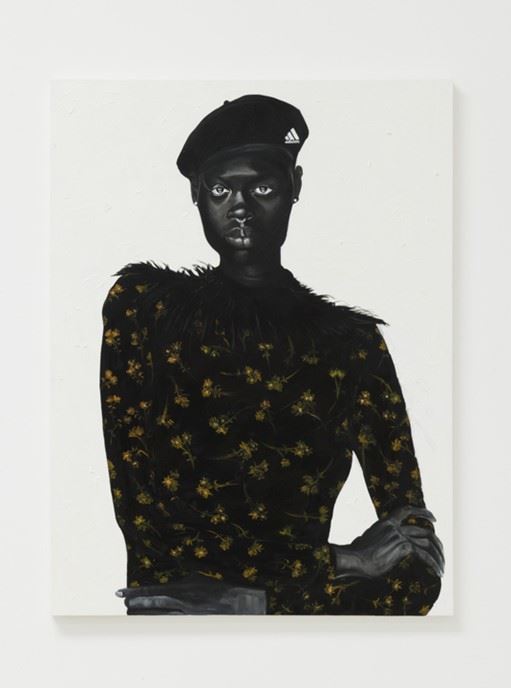
Otis Kwame Kye Quaicoe, Portrait of Nyawal Tut, 2019, oil on canvas. Courtesy of Roberts Projects LA
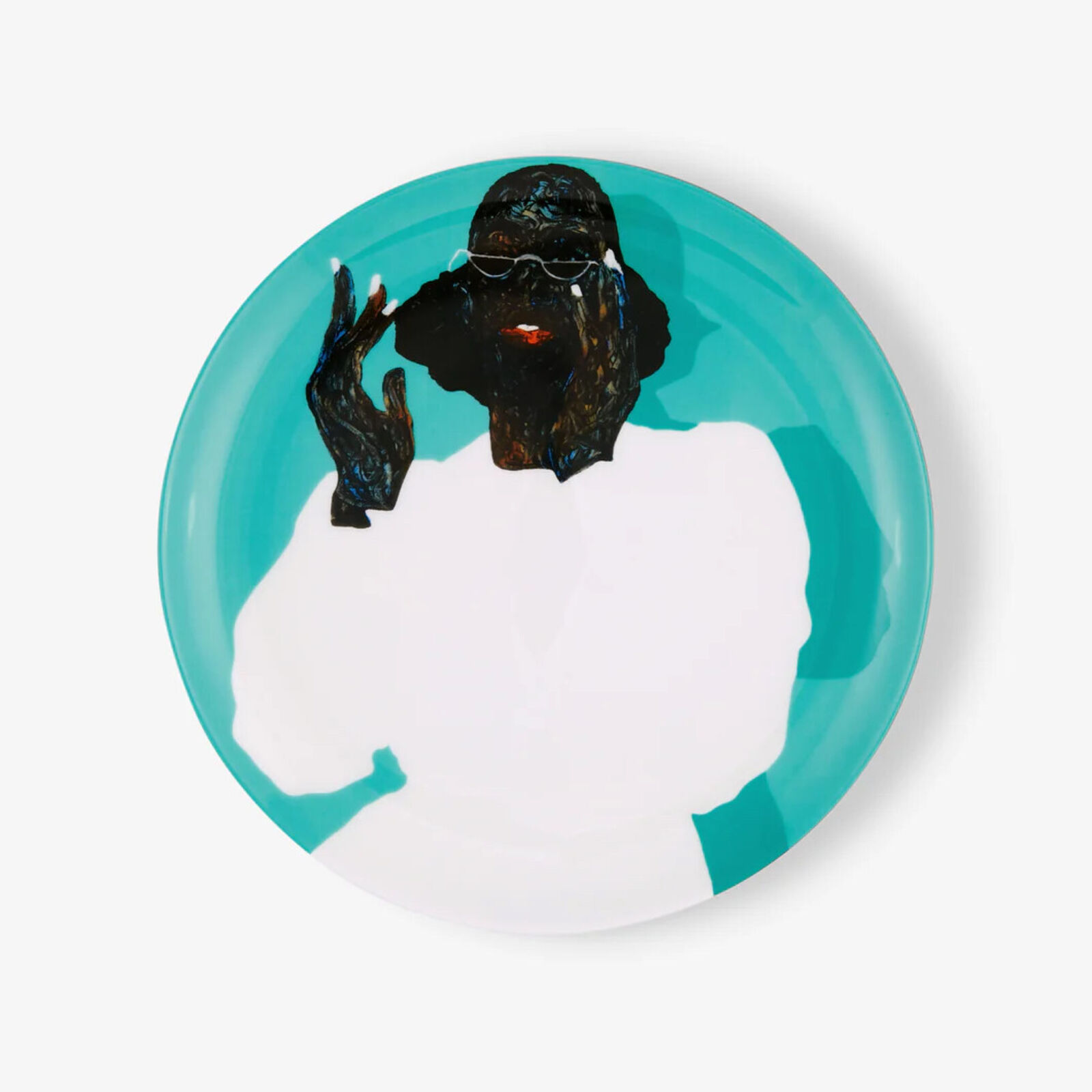
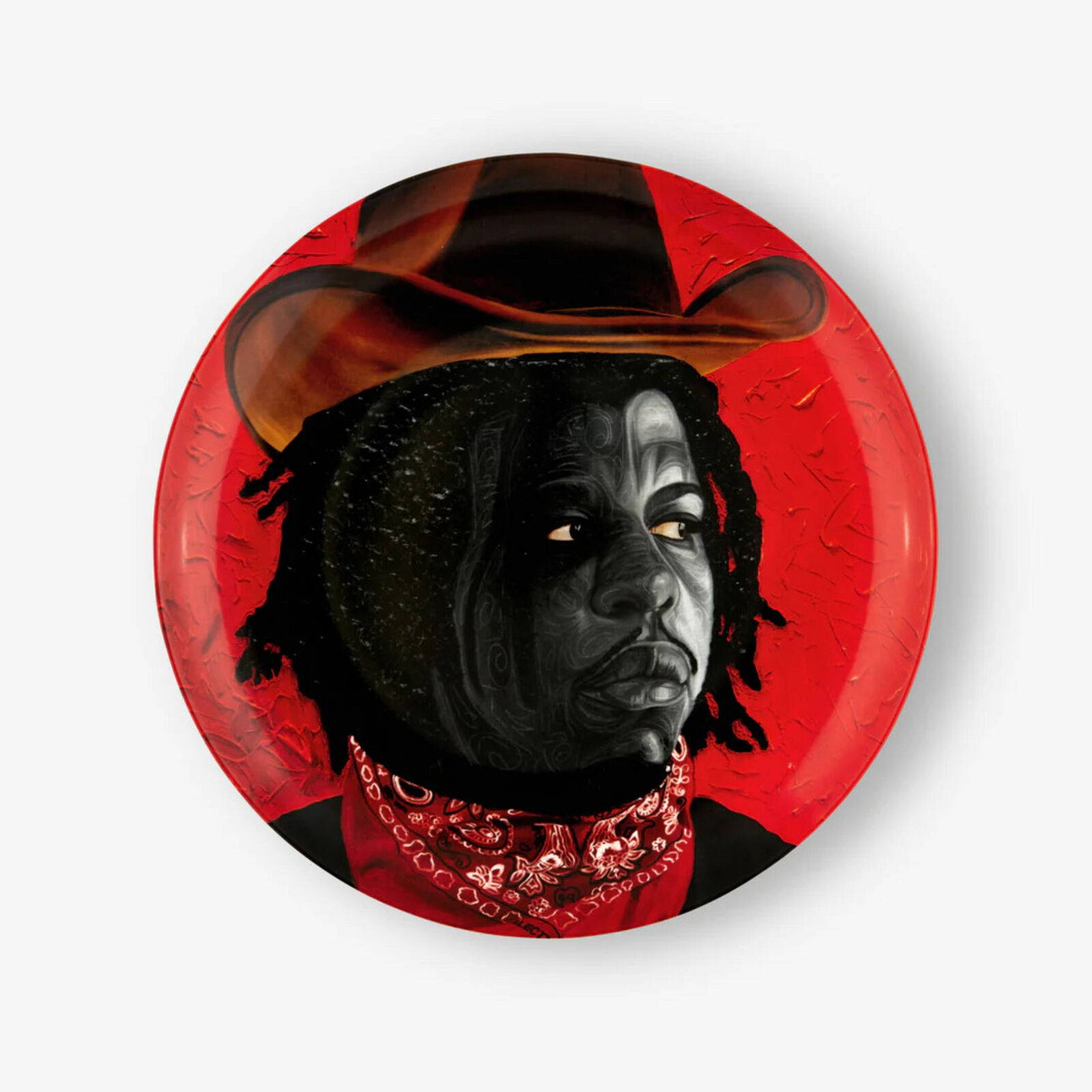
It’s only been one year since Ghanaian artist Otis Kwame Kye Quaicoe had his first exhibition in the United States, but in that short time he’s established himself as an artist to know. His debut, “Black Like Me,” a solo show at Roberts Projects in Los Angeles, California, caught the attention of his new audience and could’ve been an ad for a fashion house — large-scale portraits of Black bodies in stylish clothes posed against simple yet vibrant backgrounds. Despite his high fashion aesthetic, Quaicoe’s work isn’t simply about beauty. Every work tells its own story, from the color palette to the implied and realized textures, to the subject’s gaze, viewers are not only captivated by what’s on the canvas, but by the personality of Quaicoe himself that shines through everything he makes.
Before moving to his current home of Portland, Oregon, in 2017, Quaicoe lived in Accra, Ghana, the bustling capital city known for its artistry. Ghana, and more specifically its Accra region, is one of Africa’s major fashion hubs, thanks to its well-known textile production, staple prints, and eclectic materials. Ghanaian contributions to fashion stem from the country’s traditions and emphasis on creativity in every sector of public life. From fashionable streetwear to handmade advertising, to prestigious institutions like the Ghanatta College of Art and Design, Ghana’s rich cultural fabric has had a profound impact on those who call it home, including Quaicoe.
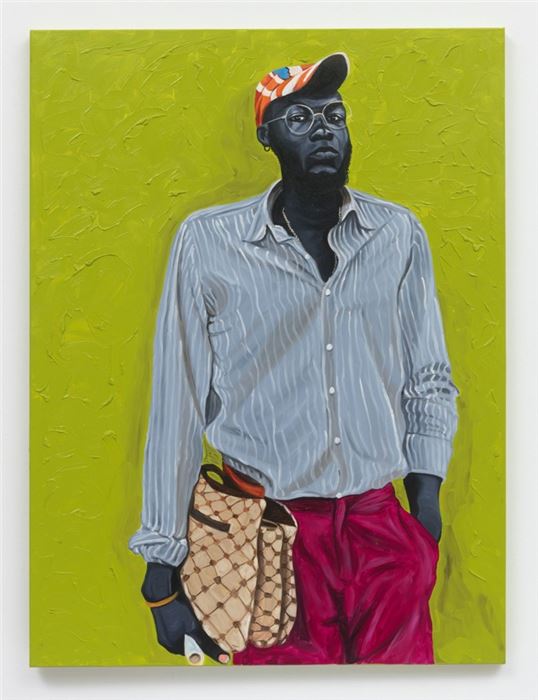
Otis Kwame Kye Quaicoe, Daniel Quist, 2019, oil on canvas. Courtesy of Roberts Projects LA
Growing up in such a vibrant environment introduced Quaicoe to artistic expression at an early age. Seeing massive posters advertising movies, and eventually watching the artists paint those posters in the building next door to the theatre, served as an impetus for creating art himself. Observing those artists inspired him to get his own sketchbook, where he would attempt to reproduce pictures from newspapers and magazines. During this phase of his life, after moving into a new neighborhood with his family, he began noticing a woman with rolls of canvases who would pass by their home regularly. Every time he saw her, he would ask to look at her canvases, in awe of the beautiful landscapes, portraits, and other paintings that were on them. Taking note of his fascination with art, she offered to show him the Ghanatta College of Art and Design. In that moment, gazing upon the art studios, students, and their work, he knew art was his calling.
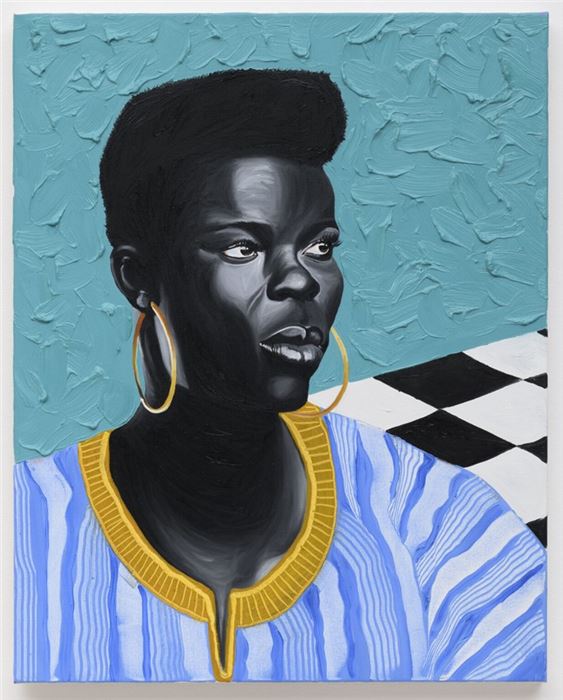
Otis Kwame Kye Quaicoe, Wiyaala, 2020, oil on canvas. Courtesy of Roberts Projects LA and Colossal
In the years that followed, Quaicoe would go on to attend that very school, where he studied alongside fellow artist Amoako Boafo, the two quickly becoming close friends, bonding over their shared interest of Black portraiture and figuration. But it wasn’t until after graduation, when he shifted his focus towards photography, that he truly acknowledged that his heart lie in portraiture. As he entered into the world of photography, he was reminded of sketching editorial photographs when he was younger and found himself in a similar place, now attempting to recreate his own images. Photography was not only proving to be formative for Quaicoe’s artistry, but also his personal life. During this period, he befriended a woman online, Jessica of Portland, Oregon, who was deeply passionate about photography. The two became very close, visited each other’s respective homes, and eventually eloped in 2017, causing Quaicoe to relocate to the States.
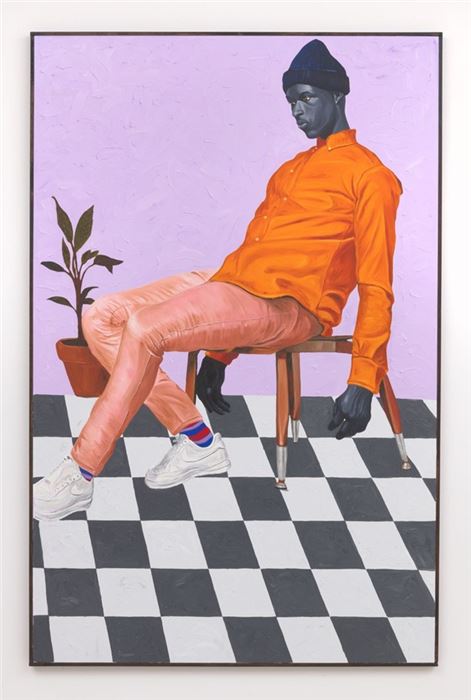
Otis Kwame Kye Quaicoe, Sitter, 2019, oil on canvas. Courtesy of Roberts Projects LA
Despite his happiness with his new marriage, the transition to American life, in a city where he knew next to no one, proved to be a difficult move. Immersing himself in his art, struggling to make ends meet, and feeling somewhat alone, he decided to reconnect with his old friend, Amoako Boafo, who was living in Vienna and enjoying his newfound fame. Boafo offered support in every way he could, providing words of encouragement and even purchasing his paintings. A few months later, Boafo called Quaicoe and invited him to his first American solo exhibition, at the Roberts Projects in Los Angeles. Naturally, Quaicoe accepted the invitation, excited to see his old friend and reciprocate the support. After the show, Boafo suggested he stay in LA for a while so he could meet more people in the art world. Even when Boafo left town to receive an award in Vienna, Quaicoe stayed, painting in the studio. When people arrived looking for Boafo, they found Quaicoe instead, spurring relationships with galleries like Roberts Projects and Mariane Ibrahim.
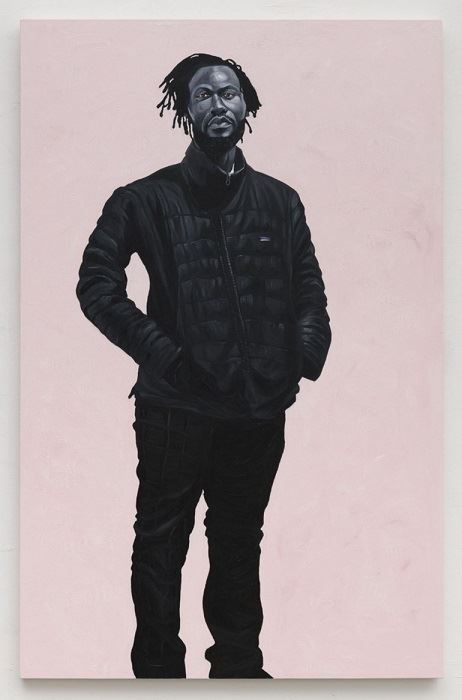
Otis Kwame Kye Quaicoe, The Artist I. Amoako Boafo, 2019, oil on canvas. Courtesy of Robert Projects LA
With these new connections, Quaicoe was able to launch his successful career as well as find new inspiration for his work. Seeing as he’d now spent prolonged time in two American cities, he began noticing the nuances of Black America — the differences between African Americans versus Africans living in America, and how each respective group is perceived and why. Through his personal experiences, and as he began speaking with Black Americans in Portland and LA, he became increasingly aware of how people live, present themselves, and are seen, ultimately realizing that while he is approached differently than Black Americans who have been living in the States for generations, what sparks that conversation in the first place is the way he dresses. His style, a combination of his African roots and American fashion, is representative of both places, causing people to look at him with “a sense of wondering.” Unable to peg where he’s from, people approach him from a place of inquisition.
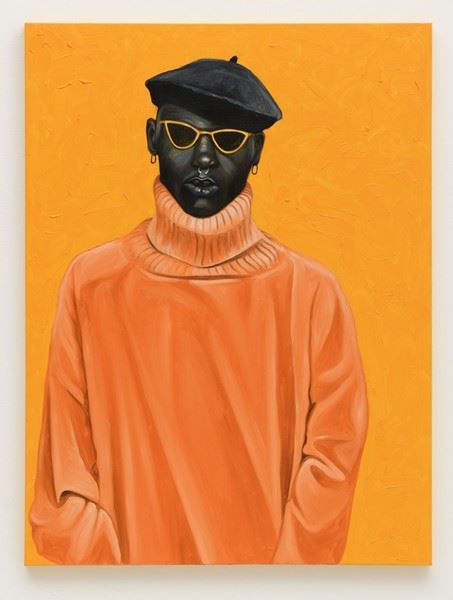
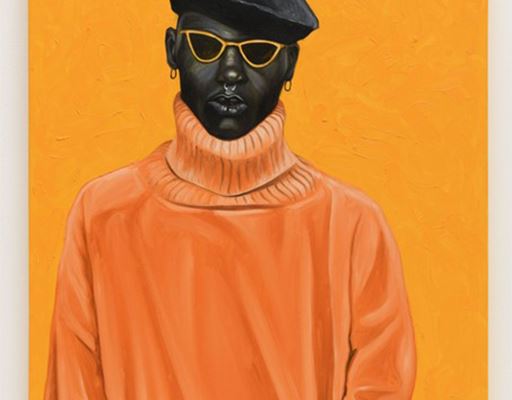
Otis Kwame Kye Quaicoe, Orange Turtleneck, 2019, oil on canvas. Courtesy of Roberts Projects LA
Through his experiences in recent years, Quaicoe has reaffirmed his love of Black portraiture, reconnected with the colors and textures from his home, and realized the role fashion plays in his life, and by extension, his art. Quaicoe’s portraits are a form of storytelling, capturing each subject’s personality and style in a way that truly suits them. This empowering technique puts control in the subjects’ hands rather than the viewers’, giving back ownership of perception and allowing people to be seen and heard on their own terms.
For more on auctions, exhibitions, and current trends, visit our Magazine Page