
 ARTISTS
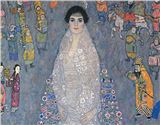
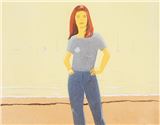


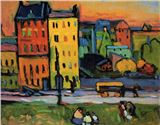
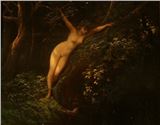
1968 The Great Innocents
Mar 15, 2009 - Aug 02, 2009
Not sex, drugs, and rock ‘n’ roll, but great innocence was on the program when it came to art around 1968. In a seemingly naïve, but generally friendly way, the methods and means commonly used by artists were put into question. From Joseph Beuys to Andy Warhol, from Louise Bourgeois to Lawrence Weiner, more than two hundred artists took a new measure of the world. They fought the museums. They filled the august genres of painting and sculpture with irony. They themselves took on the tasks of operating spaces and critical formats. What was presented as innocent was meant as an extremely defiant correction of the art system. As was the case with the student revolts, it was about a nation of overarching impulse. The artists clearly put themselves at the center. It was the beginning of contemporary art culture.
After the success of 1937. Perfection and Destruction, the Kunsthalle Bielefeld is examining yet another year of significant cultural upheaval. This exhibition is sponsored by the Kunststiftung NRW, the Stiftung der Sparkasse Bielefeld, the Stadtwerke Bielefeld, and other institutions.
Not sex, drugs, and rock ‘n’ roll, but great innocence was on the program when it came to art around 1968. In a seemingly naïve, but generally friendly way, the methods and means commonly used by artists were put into question. From Joseph Beuys to Andy Warhol, from Louise Bourgeois to Lawrence Weiner, more than two hundred artists took a new measure of the world. They fought the museums. They filled the august genres of painting and sculpture with irony. They themselves took on the tasks of operating spaces and critical formats. What was presented as innocent was meant as an extremely defiant correction of the art system. As was the case with the student revolts, it was about a nation of overarching impulse. The artists clearly put themselves at the center. It was the beginning of contemporary art culture.
After the success of 1937. Perfection and Destruction, the Kunsthalle Bielefeld is examining yet another year of significant cultural upheaval. This exhibition is sponsored by the Kunststiftung NRW, the Stiftung der Sparkasse Bielefeld, the Stadtwerke Bielefeld, and other institutions.
Artists on show
Contact details
1968 The Great Innocents Opening
January 01, 1900
11:00 AM - 1:00 PM
Artur-Ladebeck-Strasse5 Bielefeld, Germany 33602

What's on nearby
Nov 15, 2025
- Mar 01, 2026
Nov 22, 2025
- Feb 21, 2026
Nov 15, 2025
- Mar 01, 2026
