
 ARTISTS


A Special Look: Louis Michel Eilshemius
The largest body of work by a single artist in the Neuberger Museum of Art’s collection is by Louis Michel Eilshemius, who is represented by more than a hundred paintings, watercolors, and drawings.
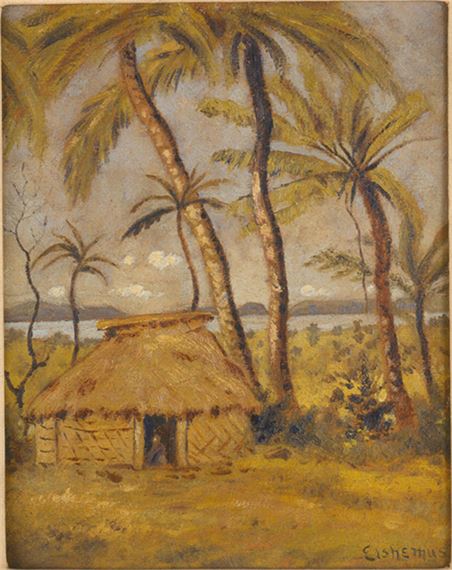
A Special Look:The Landscapes of Louis Michel Eilshemius features a focused group of works created by the artist between 1874 and 1909 that reflect his academic training and interest in the longstanding European tradition of landscape painting. Like many of his predecessors from the nineteenth century, Eilshemius traveled throughout Europe and made several journeys to distant countries. His works were created both “en plein air,” and in his studio after images from his sketchbook.
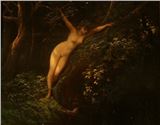
The artist struggled all his life to attract public attention and sales. So, considering Roy Neuberger’s collecting proclivities, what might have prompted him to purchase such a large body of work by Eilshemius? Perhaps one appeal lay in the diversity of the artist’s subjects and mediums, as the acquired works covered a range of motifs—from street scenes reminiscent of the Ashcan Scholl to orientalist views of far-flung locales, to what became arguably his signature images, fantasies of nymphlike nudes in sylvan settings—and included pencil drawings, watercolors, and oils.
Recommended for you


The largest body of work by a single artist in the Neuberger Museum of Art’s collection is by Louis Michel Eilshemius, who is represented by more than a hundred paintings, watercolors, and drawings.
A Special Look:The Landscapes of Louis Michel Eilshemius features a focused group of works created by the artist between 1874 and 1909 that reflect his academic training and interest in the longstanding European tradition of landscape painting. Like many of his predecessors from the nineteenth century, Eilshemius traveled throughout Europe and made several journeys to distant countries. His works were created both “en plein air,” and in his studio after images from his sketchbook.
The artist struggled all his life to attract public attention and sales. So, considering Roy Neuberger’s collecting proclivities, what might have prompted him to purchase such a large body of work by Eilshemius? Perhaps one appeal lay in the diversity of the artist’s subjects and mediums, as the acquired works covered a range of motifs—from street scenes reminiscent of the Ashcan Scholl to orientalist views of far-flung locales, to what became arguably his signature images, fantasies of nymphlike nudes in sylvan settings—and included pencil drawings, watercolors, and oils.
Artists on show
Contact details

