ARTISTS





Andy Warhol’s American Icons
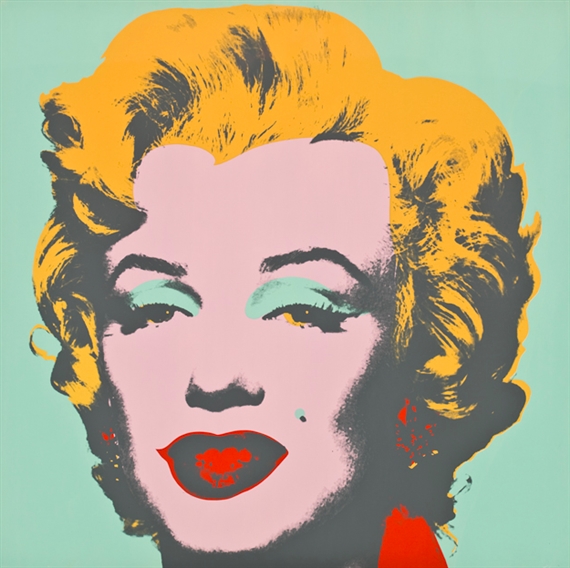
Provocative during his lifetime, Andy Warhol (1928-1987) has since assumed iconic status as one of the most beloved and influential artists of the 20th century. Warhol mined mass culture for his subjects and images, tapping into America’s moods, values, and obsessions–in effect turning a mirror on our popular culture. Warhol’s images of Campbell’s soup cans, Coca-Cola bottles, Marilyn Monroe, and Elizabeth Taylor have themselves become defining images of American culture. From his early days as a commercial illustrator, Warhol adopted the look, language, and techniques of advertisements for his art, fusing his personal artistic expression with images from popular culture and mechanical processes.
Organized by GRAM, this unique exhibition showcases Warhol’s vision and celebration of America by bringing together paintings, prints, photographs, and films that create a handbook of American cultural icons. One of Warhol’s most important early paintings, Green Coca-Cola Bottles, is featured on loan from the Whitney Museum of American Art. Created in 1962, the painting is composed of neat rows of the company’s iconic glass bottles, reminiscent of a supermarket display, save for the irregularity of the individually hand-stamped bottles. The exhibition also includes paintings and prints which utilize the silkscreen technique that Warhol adopted a year later, in 1963, and with which he is most associated. Subjects include Muhammad Ali, Sitting Bull, dollar signs (what could be more American?), and one of the most iconic of Michiganders, Gerald Ford.
Recommended for you


Provocative during his lifetime, Andy Warhol (1928-1987) has since assumed iconic status as one of the most beloved and influential artists of the 20th century. Warhol mined mass culture for his subjects and images, tapping into America’s moods, values, and obsessions–in effect turning a mirror on our popular culture. Warhol’s images of Campbell’s soup cans, Coca-Cola bottles, Marilyn Monroe, and Elizabeth Taylor have themselves become defining images of American culture. From his early days as a commercial illustrator, Warhol adopted the look, language, and techniques of advertisements for his art, fusing his personal artistic expression with images from popular culture and mechanical processes.
Organized by GRAM, this unique exhibition showcases Warhol’s vision and celebration of America by bringing together paintings, prints, photographs, and films that create a handbook of American cultural icons. One of Warhol’s most important early paintings, Green Coca-Cola Bottles, is featured on loan from the Whitney Museum of American Art. Created in 1962, the painting is composed of neat rows of the company’s iconic glass bottles, reminiscent of a supermarket display, save for the irregularity of the individually hand-stamped bottles. The exhibition also includes paintings and prints which utilize the silkscreen technique that Warhol adopted a year later, in 1963, and with which he is most associated. Subjects include Muhammad Ali, Sitting Bull, dollar signs (what could be more American?), and one of the most iconic of Michiganders, Gerald Ford.
Artists on show
Contact details

What's on nearby