
 ARTISTS
Audubon to Warhol: The Art of American Still Life
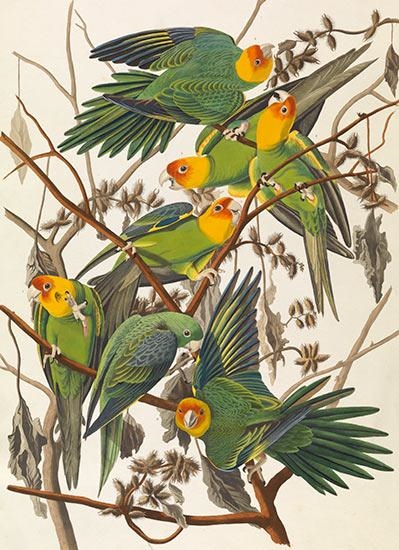
The first survey of American still life in three decades, Audubon to Warhol: The Art of American Still Life features 130 oil paintings, watercolors, and works in other media representing the finest accomplishments in the genre from its beginnings in the late 1700s to the Pop Art era of the 1960s.
Taking a fresh approach to the subject to reveal the genre’s astonishing variety, the exhibition will be divided into four chronological sections that mirror still life’s periodic resurgence in the United States. Each era was characterized by a prevailing way of seeing and relating to objects: describing, indulging, discerning, and animating. Under these rubrics, visitors will be invited to appreciate still life as a reflection of American identity and culture through time.
Still life is generally an art of intimacy, intended for display in homes and other private settings. From the perfect serenity of tabletop compositions created by Raphaelle Peale (1774–1825), to the trompe l’oeil illusions of William Michael Harnett (1848–1892), to the explosive floral abstractions of Arthur B. Carles (1882–1952), still lifes provoke the senses and reward close looking. The exhibition will employ theatrical displays and interactive technologies to encourage substantive, personal encounters with the works.
The genre has a special connection to our region: Philadelphia artists first defined American still-life practice and remained at its forefront well into the twentieth century. This exhibition is the first to explore this distinctive aspect of American still-life painting.
Recommended for you


The first survey of American still life in three decades, Audubon to Warhol: The Art of American Still Life features 130 oil paintings, watercolors, and works in other media representing the finest accomplishments in the genre from its beginnings in the late 1700s to the Pop Art era of the 1960s.
Taking a fresh approach to the subject to reveal the genre’s astonishing variety, the exhibition will be divided into four chronological sections that mirror still life’s periodic resurgence in the United States. Each era was characterized by a prevailing way of seeing and relating to objects: describing, indulging, discerning, and animating. Under these rubrics, visitors will be invited to appreciate still life as a reflection of American identity and culture through time.
Still life is generally an art of intimacy, intended for display in homes and other private settings. From the perfect serenity of tabletop compositions created by Raphaelle Peale (1774–1825), to the trompe l’oeil illusions of William Michael Harnett (1848–1892), to the explosive floral abstractions of Arthur B. Carles (1882–1952), still lifes provoke the senses and reward close looking. The exhibition will employ theatrical displays and interactive technologies to encourage substantive, personal encounters with the works.
The genre has a special connection to our region: Philadelphia artists first defined American still-life practice and remained at its forefront well into the twentieth century. This exhibition is the first to explore this distinctive aspect of American still-life painting.
Contact details

