BUY ART


Breathing without oxygen
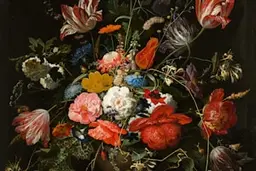
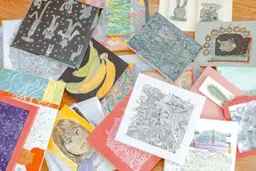
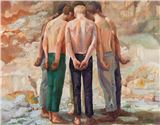
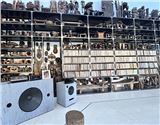
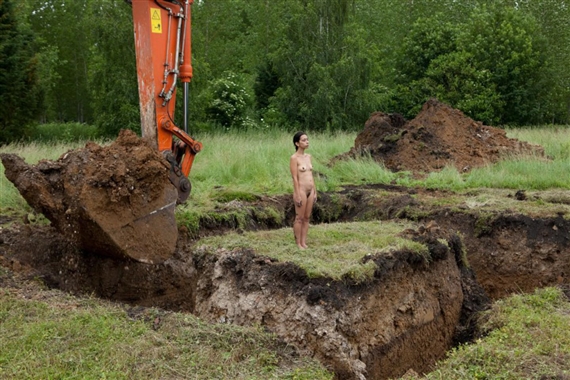
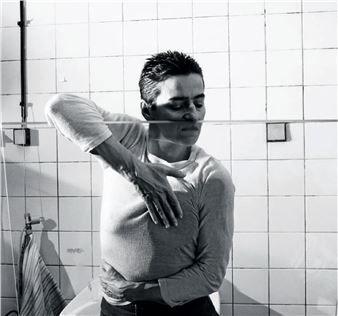
Galeria Millan presents the group show Respirar sem oxigênio [Breathing without oxygen], organized by the artist Regina Parra. The show features works by 24 artists, including names of the new generation—Bruno Levorin, Claudio Bueno, Gui Mohallem, Haroldo Saboia, Heloisa Franco, Julia Gallo & Max Huszar, Julia Ayerbe, Laura Davina, Malka Borenstein, Patrícia Araujo, Thany Sanches—in dialogue with important works by Ana Mazzei, Afonso Tostes, Artur Barrio, Caetano Dias, Fancy, Lenora de Barros, Leticia Parente, Jannis Kounellis, Regina José Galindo, Nelson Felix, Tatiana Blass and Tunga. The proposal is to investigate the vulnerability of the body as a means to create new powers from a rich dialogue between different generations of Brazilian and foreign artists.
The selection of works traverses the years 1970 to 2017 and includes videos, sculptures, objects, paintings and drawings that cover the different deformations suffered by the contemporary body. Deformations that are not torture but a result of the “positions of a body that brings together the desire to sleep, to vomit, to toss and turn, to sit most of the time.” (Lapoujade, David. O corpo que não aguenta mais); resulting from exhaustion, fatigue, from a body that can take no more. “It is a condition of the body to be affected by the forces of the world. Deleuze insists that a body never ceases to be submitted to encounters and confrontations: with light, with oxygen, with food, with sounds, etc. A body is, according to him, always ‘meeting other bodies,’” says Parra.
Recommended for you

Galeria Millan presents the group show Respirar sem oxigênio [Breathing without oxygen], organized by the artist Regina Parra. The show features works by 24 artists, including names of the new generation—Bruno Levorin, Claudio Bueno, Gui Mohallem, Haroldo Saboia, Heloisa Franco, Julia Gallo & Max Huszar, Julia Ayerbe, Laura Davina, Malka Borenstein, Patrícia Araujo, Thany Sanches—in dialogue with important works by Ana Mazzei, Afonso Tostes, Artur Barrio, Caetano Dias, Fancy, Lenora de Barros, Leticia Parente, Jannis Kounellis, Regina José Galindo, Nelson Felix, Tatiana Blass and Tunga. The proposal is to investigate the vulnerability of the body as a means to create new powers from a rich dialogue between different generations of Brazilian and foreign artists.
The selection of works traverses the years 1970 to 2017 and includes videos, sculptures, objects, paintings and drawings that cover the different deformations suffered by the contemporary body. Deformations that are not torture but a result of the “positions of a body that brings together the desire to sleep, to vomit, to toss and turn, to sit most of the time.” (Lapoujade, David. O corpo que não aguenta mais); resulting from exhaustion, fatigue, from a body that can take no more. “It is a condition of the body to be affected by the forces of the world. Deleuze insists that a body never ceases to be submitted to encounters and confrontations: with light, with oxygen, with food, with sounds, etc. A body is, according to him, always ‘meeting other bodies,’” says Parra.
What's on nearby