
 ARTISTS
Contemporary Currents: The Warhol Effect
This exhibition of contemporary photographers seeks to provide a sense of how photography and image making continue to progress in the post-Warhol era. Though there is not a direct correlation between the work of these artists and that of Andy Warhol, it can be assumed that many of these investigations, techniques, subject matter, and especially the reception of this work would not be as well received and lauded had Warhol not been as experimental or pioneering in his own efforts.
Warhol coupled high art with popular culture through a serious, concerted effort; and was quite successful in bridging these realms not just through his choice of imagery but also his most notable medium, the screen print. It was this limbo, this intermediate state where Warhol found the most success. His prints were and were not art at the same time. The art world had seen this with Duchamp’s ready-made sculptures and with the academic success of naïve or outsider artists; Warhol took this mantle and managed to spread his fifteen minutes of fame into an empire.
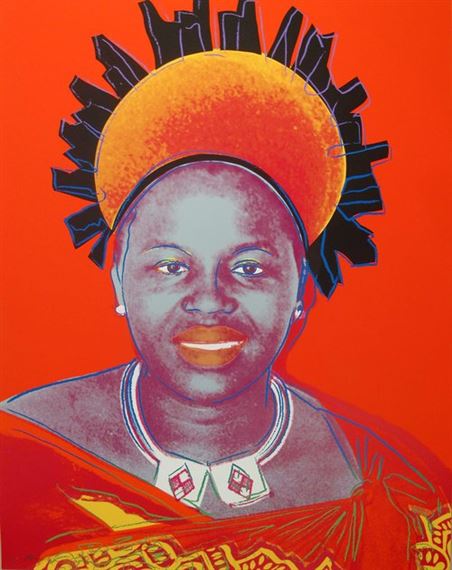
The influence of the infamous Andy Warhol reverberates throughout the world even now, more than 30 years after his death. Known mostly for his iconic screen prints of popular culture darlings such as Marilyn Monroe, Princess Diana, and Mickey Mouse, Warhol was much more than just these products of his studio. Among his other notable feats Warhol helped to dissect the figure/ground relationship in film, helped to critique the fetish economy of high art, and was able to locate a visual signifier for such a transformative time in American history: transitioning from the culture wars of the 1960’s to the consumerism of the 1980’s it was Warhol who simultaneously tore down the ivory tower of post-modern artwork by utilizing pop culture imagery, and reinforced the mechanisms of bourgeoisie control over art production by utilizing pop culture imagery.
Recommended for you


This exhibition of contemporary photographers seeks to provide a sense of how photography and image making continue to progress in the post-Warhol era. Though there is not a direct correlation between the work of these artists and that of Andy Warhol, it can be assumed that many of these investigations, techniques, subject matter, and especially the reception of this work would not be as well received and lauded had Warhol not been as experimental or pioneering in his own efforts.
Warhol coupled high art with popular culture through a serious, concerted effort; and was quite successful in bridging these realms not just through his choice of imagery but also his most notable medium, the screen print. It was this limbo, this intermediate state where Warhol found the most success. His prints were and were not art at the same time. The art world had seen this with Duchamp’s ready-made sculptures and with the academic success of naïve or outsider artists; Warhol took this mantle and managed to spread his fifteen minutes of fame into an empire.
The influence of the infamous Andy Warhol reverberates throughout the world even now, more than 30 years after his death. Known mostly for his iconic screen prints of popular culture darlings such as Marilyn Monroe, Princess Diana, and Mickey Mouse, Warhol was much more than just these products of his studio. Among his other notable feats Warhol helped to dissect the figure/ground relationship in film, helped to critique the fetish economy of high art, and was able to locate a visual signifier for such a transformative time in American history: transitioning from the culture wars of the 1960’s to the consumerism of the 1980’s it was Warhol who simultaneously tore down the ivory tower of post-modern artwork by utilizing pop culture imagery, and reinforced the mechanisms of bourgeoisie control over art production by utilizing pop culture imagery.
Artists on show
Contact details

