
 ARTISTS





Dutch Art in a Global Age: Masterpieces from the Museum of Fine Arts, Boston
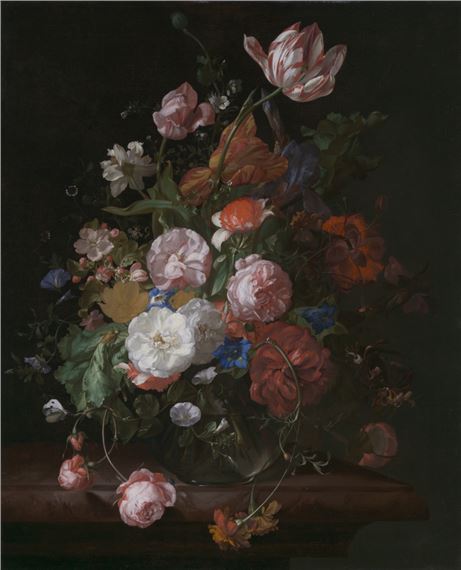
Observers in the seventeenth century described the Netherlands as the world’s marketplace. Dutch merchants possessed a capitalist mindset and benefited from innovations in naval and military technology. The Dutch East India Company, the world’s first multinational corporation, was founded in 1602 to dominate trade in the Pacific and Indian Oceans, forever changing the global economy. New commodities flowed to the Dutch Republic and made a small nation immensely rich. This in turn fueled an artistic boom. The most famous Dutch artists in the seventeenth century—Hals, Rembrandt, Ruisdael, Ruysch—are still admired today.
This exhibition explores how international travel and trade transformed Dutch art and society. Still life paintings feature imported products; seascapes, landscapes, and maps reveal where these products came from. A section including cityscapes and maps addresses Amsterdam’s rise as Europe’s commercial hub. The focus then turns to Dutch portraits, both painted and printed. Local landscapes show how exposure to the world’s wonders paradoxically reinforced pride in Dutch topography. The exhibition concludes with beautiful objects in silver and ceramic and depictions of daily life, demonstrating the coexistence of the familiar and the foreign. Throughout, this exhibition emphasizes artistic achievement while encouraging visitors to consider the human costs of global commerce.
Recommended for you


Observers in the seventeenth century described the Netherlands as the world’s marketplace. Dutch merchants possessed a capitalist mindset and benefited from innovations in naval and military technology. The Dutch East India Company, the world’s first multinational corporation, was founded in 1602 to dominate trade in the Pacific and Indian Oceans, forever changing the global economy. New commodities flowed to the Dutch Republic and made a small nation immensely rich. This in turn fueled an artistic boom. The most famous Dutch artists in the seventeenth century—Hals, Rembrandt, Ruisdael, Ruysch—are still admired today.
This exhibition explores how international travel and trade transformed Dutch art and society. Still life paintings feature imported products; seascapes, landscapes, and maps reveal where these products came from. A section including cityscapes and maps addresses Amsterdam’s rise as Europe’s commercial hub. The focus then turns to Dutch portraits, both painted and printed. Local landscapes show how exposure to the world’s wonders paradoxically reinforced pride in Dutch topography. The exhibition concludes with beautiful objects in silver and ceramic and depictions of daily life, demonstrating the coexistence of the familiar and the foreign. Throughout, this exhibition emphasizes artistic achievement while encouraging visitors to consider the human costs of global commerce.
Contact details

Related articles
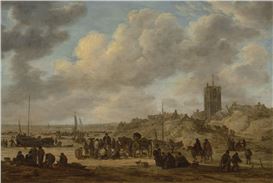
The High Museum of Art will present “Dutch Art in a Global Age: Masterpieces from the Museum of Fine Arts, Boston” from April 19 through July 14, 2024.
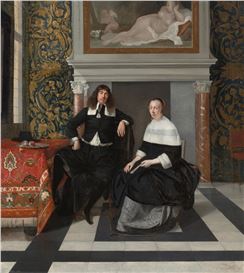
An exhibition relishes in the opulence of the objects produced by Dutch globalism while disingenuously acknowledging its destruction on unpictured shores.
