BUY ART
Eltayeb Dawelbait & Immy Mali
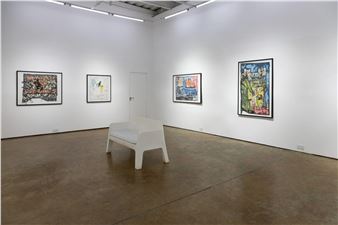
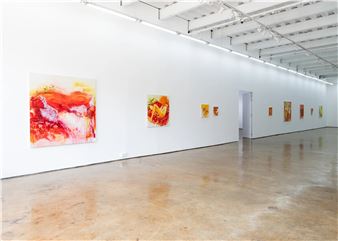
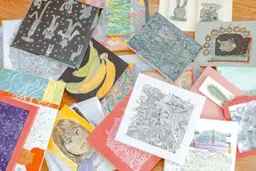
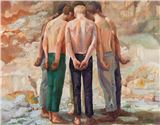
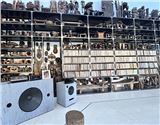
NCAI’s exhibition programme is organized around 4 major exhibitions every year. Alongside these, NCAI also undertakes short-term projects and interventions in the space which extend and complement the programme. The first exhibition of this kind is a twofold exhibition featuring two artists from East Africa - Ugandan artist, Immy Mali, and Sudanese artist Eltayeb Dawelbait. The exhibition brings a work of art by Immy Mali that is anchored in personal memory and the artist’s engagement with their past and present experiences into conversation with a collection of artworks, archival materials, and personal objects drawn from the home and studio of Eltayeb Dawelbait.
The letters, sounds, and images that make up Immy Mali’s Dear Marcue Love Immy are deeply personal, giving a glimpse into the private sphere amidst a larger social context, whilst the archival materials gathered from Dawelbait’s studio make visible the evolution of his artistic language. The dual presentation of these two artists’ work invites the audience to consider the place of archives and memory in artistic creation, and how they may also inform our encounters with artists and their work.

Recommended for you


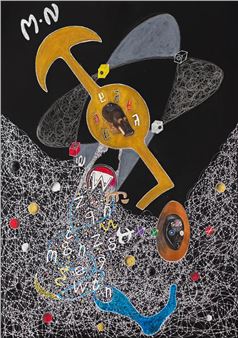
NCAI’s exhibition programme is organized around 4 major exhibitions every year. Alongside these, NCAI also undertakes short-term projects and interventions in the space which extend and complement the programme. The first exhibition of this kind is a twofold exhibition featuring two artists from East Africa - Ugandan artist, Immy Mali, and Sudanese artist Eltayeb Dawelbait. The exhibition brings a work of art by Immy Mali that is anchored in personal memory and the artist’s engagement with their past and present experiences into conversation with a collection of artworks, archival materials, and personal objects drawn from the home and studio of Eltayeb Dawelbait.
The letters, sounds, and images that make up Immy Mali’s Dear Marcue Love Immy are deeply personal, giving a glimpse into the private sphere amidst a larger social context, whilst the archival materials gathered from Dawelbait’s studio make visible the evolution of his artistic language. The dual presentation of these two artists’ work invites the audience to consider the place of archives and memory in artistic creation, and how they may also inform our encounters with artists and their work.
Artists on show
What's on nearby