ARTISTS


Expressions. Matisse and Modern Art
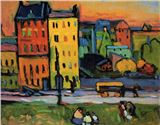
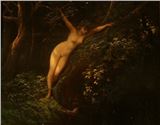
Expressions: Matisse and Modern Art, a companion exhibition to Monet to Matisse: French Masterworks from the Dixon Collection, features works drawn from The Baker Museum’s permanent collection and on loan from Naples private collectors. It explores Henri Matisse’s seminal role in the development of modern art and his enduring legacy. One of the most influential artists of the modern era, Matisse’s career spanned the first 65 years of the 20th century. Only a few artists, such as Pablo Picasso, had a comparable effect on the development of modern art.
With works by Jean-Léon Gérôme, Honoré Daumier, Auguste Rodin, Jean-Alexandre-Joseph Falguière, Claude Monet and Pierre Auguste Renoir, the exhibition not only expands the scope of Monet to Matisse but also situates Matisse’s art in the context of both the academic and avant-garde movements of the late 19th century. It also examines the effects of Matisse’s work on the art of his contemporaries, such as Fernand Léger, who used rich, saturated hues with Cubist constructions of space, and Georges Rouault, who employed Matisse’s Fauvist palette as well as his bold, calligraphic black lines.
Recommended for you


Expressions: Matisse and Modern Art, a companion exhibition to Monet to Matisse: French Masterworks from the Dixon Collection, features works drawn from The Baker Museum’s permanent collection and on loan from Naples private collectors. It explores Henri Matisse’s seminal role in the development of modern art and his enduring legacy. One of the most influential artists of the modern era, Matisse’s career spanned the first 65 years of the 20th century. Only a few artists, such as Pablo Picasso, had a comparable effect on the development of modern art.
With works by Jean-Léon Gérôme, Honoré Daumier, Auguste Rodin, Jean-Alexandre-Joseph Falguière, Claude Monet and Pierre Auguste Renoir, the exhibition not only expands the scope of Monet to Matisse but also situates Matisse’s art in the context of both the academic and avant-garde movements of the late 19th century. It also examines the effects of Matisse’s work on the art of his contemporaries, such as Fernand Léger, who used rich, saturated hues with Cubist constructions of space, and Georges Rouault, who employed Matisse’s Fauvist palette as well as his bold, calligraphic black lines.
Contact details

What's on nearby