
 ARTISTS







Fakes, Forgeries, and Followers in the Taft Collection
Oct 22, 2022 - Feb 05, 2023
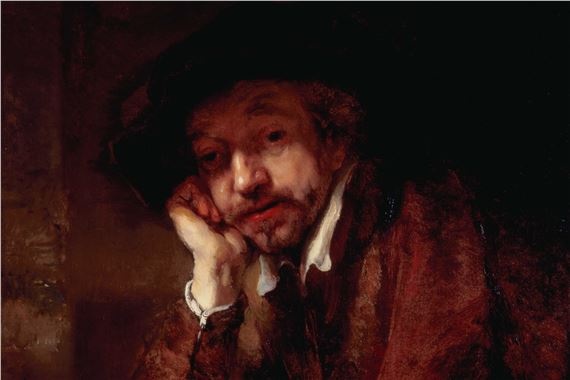
Fakes and forgeries provide some of the most compelling stories in the art world. Did you know that the Taft collection contains some of its own attribution mysteries, some solved and others still in question? This small exhibition will reveal the fascinating histories of selected paintings and works of decorative art normally kept in storage. Among them, portraits originally thought to be by Rembrandt van Rijn demonstrate how authenticating the great Dutch master’s paintings has evolved in the century since Charles and Anna Taft built their collection. Paintings previously believed to have been created by Spanish artist Francisco de Goya and English landscapist John Constable were later discovered to be works by their followers. Nineteenth-century carved stone plaques once masqueraded as Renaissance portraits of royalty. A pair of porcelain vases was made in France in the late 1800s rather than, as the Tafts believed, in China a century earlier. Follow along as we trace the detective work that uncovered the true identities of these works of art, many of which have not been seen by the public in more than 30 years.
Recommended for you




May 01, 2022
- Jun 01, 2050
Fakes and forgeries provide some of the most compelling stories in the art world. Did you know that the Taft collection contains some of its own attribution mysteries, some solved and others still in question? This small exhibition will reveal the fascinating histories of selected paintings and works of decorative art normally kept in storage. Among them, portraits originally thought to be by Rembrandt van Rijn demonstrate how authenticating the great Dutch master’s paintings has evolved in the century since Charles and Anna Taft built their collection. Paintings previously believed to have been created by Spanish artist Francisco de Goya and English landscapist John Constable were later discovered to be works by their followers. Nineteenth-century carved stone plaques once masqueraded as Renaissance portraits of royalty. A pair of porcelain vases was made in France in the late 1800s rather than, as the Tafts believed, in China a century earlier. Follow along as we trace the detective work that uncovered the true identities of these works of art, many of which have not been seen by the public in more than 30 years.
Artists on show

What's on nearby
Oct 10, 2025
- Jan 04, 2026

Dec 12, 2025
- Jan 09, 2026
Nov 21, 2025
- Mar 01, 2026
