
 ARTISTS



Gaze: Portraiture after Ingres
Oct 30, 2009 - Apr 05, 2010
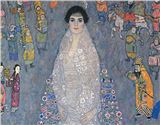
About the time of Ingres’s immense memorial exhibition in 1867, portraiture had reached its apogee in France. Able to bask in the momentary political stability under Napoleon III, the bourgeoisie flaunted their nimiety as portrayals of the well-heeled and well-to-do flooded the annual Salon. Théodore Duret, a prominent Parisian critic and champion of the Impressionists, remarked that portraits were “the triumph of bourgeois art.” Whether the glut of portraiture was understood to be good or bad, there were advantages on both sides of the canvas: artists were able to command high prices, and sitters were able to position themselves among the elite.
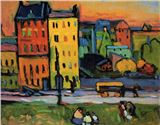
And yet, a perceptible shift in the genre was taking place. Moving out of the constructed world of the studio into the world around them, Impressionist artists turned their attention and their brushes away from baronesses and comtesses toward their wives, friends and even familiar local characters—in other words, to the lives of the modern world.
With close to 150 works culled from the Museum’s collections, Gaze: Portraiture after Ingres traces artistic engagements with the genre following Ingres’s influence in the early to mid-19th century. By displaying the portraits of Ingres’s contemporaries as well as those by Impressionists and Post-Impressionists, the exhibition examines why this type of painting, so seemingly laden with restrictions and expectations, appealed to some of the greatest avant-garde painters in the history of art. Continuing with the work of 20th-century masters such as Amedeo Modigliani, Oskar Kokoschka, Pablo Picasso, Marcel Duchamp and Andy Warhol, the focus turns toward radical variations on portraiture, showing how and why, given the complete destruction of representation as early as the 1910s, these great masters returned to the genre over and again.
Artists who were intent on capturing their contemporary worlds may have believed that the very nature of portraiture encouraged close ties with society, and by extension, with modern life. But a more complex matter may be at work here as well. The mere fact that portrait painting was so engrained with tradition may be the very reason the genre was so attractive to these most avant-garde of artists. With these conventions came expectations, all of which could be confronted, undermined, toyed with, and even silenced. Notions of the face, the gaze, the presentation of the sitter and even the studio setting were challenged by artists before the end of the 19th century. As such, the genre emerged not just as a projector of images of people of the modern era but also most significantly as a revelation of the struggles and challenges in the development of modern art itself.
And yet, a perceptible shift in the genre was taking place. Moving out of the constructed world of the studio into the world around them, Impressionist artists turned their attention and their brushes away from baronesses and comtesses toward their wives, friends and even familiar local characters—in other words, to the lives of the modern world.
With close to 150 works culled from the Museum’s collections, Gaze: Portraiture after Ingres traces artistic engagements with the genre following Ingres’s influence in the early to mid-19th century. By displaying the portraits of Ingres’s contemporaries as well as those by Impressionists and Post-Impressionists, the exhibition examines why this type of painting, so seemingly laden with restrictions and expectations, appealed to some of the greatest avant-garde painters in the history of art. Continuing with the work of 20th-century masters such as Amedeo Modigliani, Oskar Kokoschka, Pablo Picasso, Marcel Duchamp and Andy Warhol, the focus turns toward radical variations on portraiture, showing how and why, given the complete destruction of representation as early as the 1910s, these great masters returned to the genre over and again.
Artists who were intent on capturing their contemporary worlds may have believed that the very nature of portraiture encouraged close ties with society, and by extension, with modern life. But a more complex matter may be at work here as well. The mere fact that portrait painting was so engrained with tradition may be the very reason the genre was so attractive to these most avant-garde of artists. With these conventions came expectations, all of which could be confronted, undermined, toyed with, and even silenced. Notions of the face, the gaze, the presentation of the sitter and even the studio setting were challenged by artists before the end of the 19th century. As such, the genre emerged not just as a projector of images of people of the modern era but also most significantly as a revelation of the struggles and challenges in the development of modern art itself.
Recommended for you


Jul 07, 2017
- Jun 05, 2027


May 01, 2022
- Jun 01, 2050
About the time of Ingres’s immense memorial exhibition in 1867, portraiture had reached its apogee in France. Able to bask in the momentary political stability under Napoleon III, the bourgeoisie flaunted their nimiety as portrayals of the well-heeled and well-to-do flooded the annual Salon. Théodore Duret, a prominent Parisian critic and champion of the Impressionists, remarked that portraits were “the triumph of bourgeois art.” Whether the glut of portraiture was understood to be good or bad, there were advantages on both sides of the canvas: artists were able to command high prices, and sitters were able to position themselves among the elite.
And yet, a perceptible shift in the genre was taking place. Moving out of the constructed world of the studio into the world around them, Impressionist artists turned their attention and their brushes away from baronesses and comtesses toward their wives, friends and even familiar local characters—in other words, to the lives of the modern world.
With close to 150 works culled from the Museum’s collections, Gaze: Portraiture after Ingres traces artistic engagements with the genre following Ingres’s influence in the early to mid-19th century. By displaying the portraits of Ingres’s contemporaries as well as those by Impressionists and Post-Impressionists, the exhibition examines why this type of painting, so seemingly laden with restrictions and expectations, appealed to some of the greatest avant-garde painters in the history of art. Continuing with the work of 20th-century masters such as Amedeo Modigliani, Oskar Kokoschka, Pablo Picasso, Marcel Duchamp and Andy Warhol, the focus turns toward radical variations on portraiture, showing how and why, given the complete destruction of representation as early as the 1910s, these great masters returned to the genre over and again.
Artists who were intent on capturing their contemporary worlds may have believed that the very nature of portraiture encouraged close ties with society, and by extension, with modern life. But a more complex matter may be at work here as well. The mere fact that portrait painting was so engrained with tradition may be the very reason the genre was so attractive to these most avant-garde of artists. With these conventions came expectations, all of which could be confronted, undermined, toyed with, and even silenced. Notions of the face, the gaze, the presentation of the sitter and even the studio setting were challenged by artists before the end of the 19th century. As such, the genre emerged not just as a projector of images of people of the modern era but also most significantly as a revelation of the struggles and challenges in the development of modern art itself.
And yet, a perceptible shift in the genre was taking place. Moving out of the constructed world of the studio into the world around them, Impressionist artists turned their attention and their brushes away from baronesses and comtesses toward their wives, friends and even familiar local characters—in other words, to the lives of the modern world.
With close to 150 works culled from the Museum’s collections, Gaze: Portraiture after Ingres traces artistic engagements with the genre following Ingres’s influence in the early to mid-19th century. By displaying the portraits of Ingres’s contemporaries as well as those by Impressionists and Post-Impressionists, the exhibition examines why this type of painting, so seemingly laden with restrictions and expectations, appealed to some of the greatest avant-garde painters in the history of art. Continuing with the work of 20th-century masters such as Amedeo Modigliani, Oskar Kokoschka, Pablo Picasso, Marcel Duchamp and Andy Warhol, the focus turns toward radical variations on portraiture, showing how and why, given the complete destruction of representation as early as the 1910s, these great masters returned to the genre over and again.
Artists who were intent on capturing their contemporary worlds may have believed that the very nature of portraiture encouraged close ties with society, and by extension, with modern life. But a more complex matter may be at work here as well. The mere fact that portrait painting was so engrained with tradition may be the very reason the genre was so attractive to these most avant-garde of artists. With these conventions came expectations, all of which could be confronted, undermined, toyed with, and even silenced. Notions of the face, the gaze, the presentation of the sitter and even the studio setting were challenged by artists before the end of the 19th century. As such, the genre emerged not just as a projector of images of people of the modern era but also most significantly as a revelation of the struggles and challenges in the development of modern art itself.
Artists on show
Contact details
Sunday - Thursday
12:00 - 6:00 PM
Friday
12:00 - 9:00 PM
Saturday
12:00 - 6:00 PM
411 West Colorado Boulevard Pasadena, CA, USA 91105

What's on nearby

Dec 06, 2025
- Jan 17, 2026
Oct 04, 2025
- Jan 18, 2026
