ARTISTS


Halston and Warhol: Silver and Suede
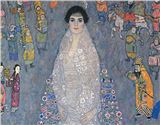
In the worlds of fashion and art during the second half of the twentieth century, few figures are as iconic as Roy Halston Frowick and Andy Warhol. Silver and Suede is a captivating exhibition that, for the first time, unites the work of these two legendary men, offering a unique perspective on the intersections between their lives and creative practice. Organized by The Andy Warhol Museum in collaboration with Lesley Frowick (the niece of Halston), Silver and Suede integrates approximately 40 of Halston’s creations, including the iconic pillbox hat designed for Jacqueline Kennedy Onassis and his signature Ultrasuede shirtdress, with a broad selection of paintings, photographs, and videos by Warhol. It also features a variety of archival material and ephemera that further link the two men both creatively and socially and explore their shared influences and interests.
Over the course of the 1970s, Halston, who was completely self-trained, established himself as a leading figure in international fashion after launching his career as a milliner at Bergdorf Goodman. Among his professional achievements are his participation in the 1973 French-American fashion show at the Palace of Versailles; the sale of his company to Norton Simon Inc. in 1973 and subsequent creation of the vastly expanded Halston Enterprises; his induction into the Coty Award Hall of Fame; his launch of menswear and fragrance lines in 1975; and his design of uniforms for the 1976 American Winter Olympics team. Halston pioneered the use of synthetic fabrics in high fashion and developed numerous influential designs including the shirtdress (Fall 1972), single-seam dress (Spring 1974), and the bodystocking (Fall 1977). He was recognized not only for his innovative designs and embrace of new materials, but, like Warhol, possessed a sophisticated understanding of publicity and the importance of a well-crafted brand.
Andy Warhol began his career in as a commercial illustrator but quickly rose to fame in the 1960s as one of leaders of the movement known as “Pop Art.” He drew upon celebrities and products from the world of popular culture as his primary subject matter and often utilized techniques from outside of the realm of traditional fine art, such as silk screening, to make his work. Warhol called his studio “The Factory;” it served as a gathering place for artists, models, musicians, and other creative minds.
Warhol met Halston through fashion illustrator Joe Eula, with whom he collaborated in 1972 on the production of Halston’s fashion show for the Coty Awards at Lincoln Center. The two subsequently became close friends and colleagues who famously socialized with each other while also exerting a strong influence on each other’s creative practice. Halston collected Warhol’s work which he displayed both in his 63rd Street townhouse and was, himself, a subject portrayed by Warhol in video, painting, and photography. He often used patterns inspired by Warhol’s paintings in his designs. In 1979 Warhol dedicated a chapter of his book, Andy Warhol’s Exposures, to Halston, describing him as the “first All-American fashion designer.” The two remained close friends and colleagues until Warhol’s death in 1987.

Recommended for you


In the worlds of fashion and art during the second half of the twentieth century, few figures are as iconic as Roy Halston Frowick and Andy Warhol. Silver and Suede is a captivating exhibition that, for the first time, unites the work of these two legendary men, offering a unique perspective on the intersections between their lives and creative practice. Organized by The Andy Warhol Museum in collaboration with Lesley Frowick (the niece of Halston), Silver and Suede integrates approximately 40 of Halston’s creations, including the iconic pillbox hat designed for Jacqueline Kennedy Onassis and his signature Ultrasuede shirtdress, with a broad selection of paintings, photographs, and videos by Warhol. It also features a variety of archival material and ephemera that further link the two men both creatively and socially and explore their shared influences and interests.
Over the course of the 1970s, Halston, who was completely self-trained, established himself as a leading figure in international fashion after launching his career as a milliner at Bergdorf Goodman. Among his professional achievements are his participation in the 1973 French-American fashion show at the Palace of Versailles; the sale of his company to Norton Simon Inc. in 1973 and subsequent creation of the vastly expanded Halston Enterprises; his induction into the Coty Award Hall of Fame; his launch of menswear and fragrance lines in 1975; and his design of uniforms for the 1976 American Winter Olympics team. Halston pioneered the use of synthetic fabrics in high fashion and developed numerous influential designs including the shirtdress (Fall 1972), single-seam dress (Spring 1974), and the bodystocking (Fall 1977). He was recognized not only for his innovative designs and embrace of new materials, but, like Warhol, possessed a sophisticated understanding of publicity and the importance of a well-crafted brand.
Andy Warhol began his career in as a commercial illustrator but quickly rose to fame in the 1960s as one of leaders of the movement known as “Pop Art.” He drew upon celebrities and products from the world of popular culture as his primary subject matter and often utilized techniques from outside of the realm of traditional fine art, such as silk screening, to make his work. Warhol called his studio “The Factory;” it served as a gathering place for artists, models, musicians, and other creative minds.
Warhol met Halston through fashion illustrator Joe Eula, with whom he collaborated in 1972 on the production of Halston’s fashion show for the Coty Awards at Lincoln Center. The two subsequently became close friends and colleagues who famously socialized with each other while also exerting a strong influence on each other’s creative practice. Halston collected Warhol’s work which he displayed both in his 63rd Street townhouse and was, himself, a subject portrayed by Warhol in video, painting, and photography. He often used patterns inspired by Warhol’s paintings in his designs. In 1979 Warhol dedicated a chapter of his book, Andy Warhol’s Exposures, to Halston, describing him as the “first All-American fashion designer.” The two remained close friends and colleagues until Warhol’s death in 1987.
Artists on show
Contact details

What's on nearby