
 ARTISTS

In The Blink Of An Eye
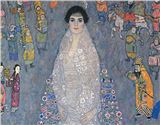
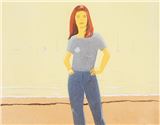
In this exhibition, the focus is on the immediate connection between the work of art and the beholder. This immediacy, which of course always exists, is particularly evident in the selection of exclusively figurative works, and in the narrower sense portraits, whose sitters direct their gaze at the viewer.
In selecting the works themselves, visitors can explore how painters, sculptors or photographers let their motifs, the sitters, look at the observers. Inquiring, questioning, apathetic, frightened, despairing, absent: all these emotions are directed at the visitors of this exhibition. The exhibition brings together works from different styles and periods, from the Renaissance to the present, Expressionism to Photorealism. In addition to exploring the immediacy of emotional expression and how it can be experienced, it also explores, on a formal level, the techniques artists have used throughout art history to approach the question of creating emotion and expression.
The double meaning of the German word 'Augenblick' brings another philosophical level to the presentation, which on the one hand refers to the change of view, but also describes the temporal dimension of a very short moment. In philosophy, Søren Kierkegaard in particular dealt extensively with the concept of the moment. For him, the moment unites the opposition of time and eternity. As an abstract moment, it encompasses eternity and nothingness at the same time and cancels out past, present and future in itself. The moment is thus removed from the "empirical course of life".
Recommended for you


In this exhibition, the focus is on the immediate connection between the work of art and the beholder. This immediacy, which of course always exists, is particularly evident in the selection of exclusively figurative works, and in the narrower sense portraits, whose sitters direct their gaze at the viewer.
In selecting the works themselves, visitors can explore how painters, sculptors or photographers let their motifs, the sitters, look at the observers. Inquiring, questioning, apathetic, frightened, despairing, absent: all these emotions are directed at the visitors of this exhibition. The exhibition brings together works from different styles and periods, from the Renaissance to the present, Expressionism to Photorealism. In addition to exploring the immediacy of emotional expression and how it can be experienced, it also explores, on a formal level, the techniques artists have used throughout art history to approach the question of creating emotion and expression.
The double meaning of the German word 'Augenblick' brings another philosophical level to the presentation, which on the one hand refers to the change of view, but also describes the temporal dimension of a very short moment. In philosophy, Søren Kierkegaard in particular dealt extensively with the concept of the moment. For him, the moment unites the opposition of time and eternity. As an abstract moment, it encompasses eternity and nothingness at the same time and cancels out past, present and future in itself. The moment is thus removed from the "empirical course of life".
Artists on show
- Beat Streuli
- Edgar Degas
- Elizabeth Peyton
- Emil Nolde
- Erich Heckel
- Félix Vallotton
- Ferdinand Hodler
- Francesco Clemente
- Georg Hornemann
- Heribert C. Ottersbach
- Joos van Creasbeeck
- Knut Wolfgang Maron
- Leiko Ikemura
- Magdalena Abakanowicz
- Manolo Valdés
- Marcellus Coffermans
- Max Pechstein
- Norbert Tadeusz
- Pablo Picasso
- Shirin Neshat
- Stefan à Wengen
Contact details

