ARTISTS
Jakian Parks: The Black Land
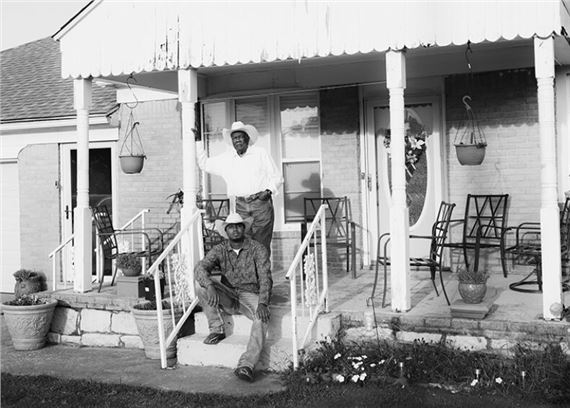
The Black Land envisions a pyramiding structure, layering the historical phases from Black captivity to contemporary Black equestrianism. Within this conceptual framework lies a sacred and congenital agricultural virtue, where Oklahoma’s Black rodeo culture becomes both symbol and setting for survival, resurgence, and celebration. Much like the rodeo itself, The Black Land connects the past and present, situating the American West as a living archive and center stage for Black cattlemen and cowboys alike.
At the heart of this exhibition is the land, a complex and enduring source of both struggle and identity within the African American experience. For Black Americans, farmland evokes a lineage of forced labor, sharecropping, and ongoing challenges around ownership and sovereignty. Yet The Black Land also affirms the expertise and divination that has grown from this proximity. Through its gestures and imagery, the exhibition suggests that ancestral spirits hold the key to a deeply rooted knowledge of plantation systems, gardening traditions, and livestock ranching.
Ritualistic practices—merging African and Christian traditions—form the foundation of cultural healing that continues to sustain Black communities. The photographs in The Black Land embody a quiet grace that redefines historical narratives and contributes to a broader understanding of the American landscape, resisting the stereotypes historically imposed upon Black bodies.
In this world, as captured by Jakian Parks, subjects are seen in full agency—free from the confines of invisibility, exploitation, or exclusion. They represent a return to inherited land and the reclamation of independence, unshackled from the generational constraints of the South. Through Parks’s lens, The Black Land honors the dignity, beauty, and power of Black equestrian life as a living tradition of cultural and historical significance.
Recommended for you

The Black Land envisions a pyramiding structure, layering the historical phases from Black captivity to contemporary Black equestrianism. Within this conceptual framework lies a sacred and congenital agricultural virtue, where Oklahoma’s Black rodeo culture becomes both symbol and setting for survival, resurgence, and celebration. Much like the rodeo itself, The Black Land connects the past and present, situating the American West as a living archive and center stage for Black cattlemen and cowboys alike.
At the heart of this exhibition is the land, a complex and enduring source of both struggle and identity within the African American experience. For Black Americans, farmland evokes a lineage of forced labor, sharecropping, and ongoing challenges around ownership and sovereignty. Yet The Black Land also affirms the expertise and divination that has grown from this proximity. Through its gestures and imagery, the exhibition suggests that ancestral spirits hold the key to a deeply rooted knowledge of plantation systems, gardening traditions, and livestock ranching.
Ritualistic practices—merging African and Christian traditions—form the foundation of cultural healing that continues to sustain Black communities. The photographs in The Black Land embody a quiet grace that redefines historical narratives and contributes to a broader understanding of the American landscape, resisting the stereotypes historically imposed upon Black bodies.
In this world, as captured by Jakian Parks, subjects are seen in full agency—free from the confines of invisibility, exploitation, or exclusion. They represent a return to inherited land and the reclamation of independence, unshackled from the generational constraints of the South. Through Parks’s lens, The Black Land honors the dignity, beauty, and power of Black equestrian life as a living tradition of cultural and historical significance.
Artists on show
Contact details

What's on nearby