BUY ART

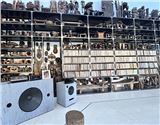
Maurizio Cattelan: Preis der Nationalgalerie 2026
The Neue Nationalgalerie presents NIGHT, the first major solo exhibition in Germany by Italian artist Maurizio Cattelan. The exhibition forms the 2026 Preis der Nationalgalerie, for which Cattelan was selected by an international jury, and brings together important historical works and new commissions within Mies van der Rohe’s iconic building.
The exhibition includes seminal pieces such as Him (2001), Novecento (1997), La Rivoluzione Siamo Noi (2000), and Untitled (2003), inspired by Günter Grass’s The Tin Drum, alongside new commissions. Together, these works trace recurring concerns within Cattelan’s practice: the tension between innocence and violence, the construction of identity, and the uneasy persistence of historical memory.
At its centre is a new site-specific work conceived for the Neue Nationalgalerie. This commission initiates a far-reaching intervention into the museum’s spatial framework. Through a careful transformation, the exhibition reshapes how the building is used and experienced. Familiar modes of display give way to an environment defined by gathering, reflection, and attention. Within this setting, the relationship between viewer, work, and architecture shifts.
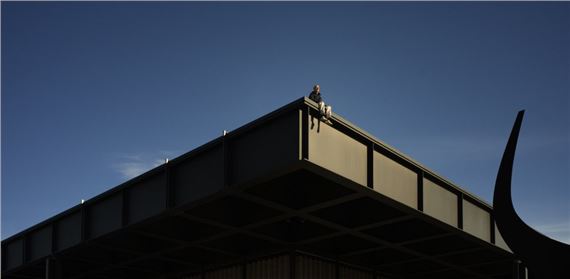
The Neue Nationalgalerie, with its architecture by Mies van der Rohe, provides a setting in which these questions gain particular clarity. The building itself becomes part of the exhibition, shaping how the works are seen and experienced.
Recommended for you



The Neue Nationalgalerie presents NIGHT, the first major solo exhibition in Germany by Italian artist Maurizio Cattelan. The exhibition forms the 2026 Preis der Nationalgalerie, for which Cattelan was selected by an international jury, and brings together important historical works and new commissions within Mies van der Rohe’s iconic building.
The exhibition includes seminal pieces such as Him (2001), Novecento (1997), La Rivoluzione Siamo Noi (2000), and Untitled (2003), inspired by Günter Grass’s The Tin Drum, alongside new commissions. Together, these works trace recurring concerns within Cattelan’s practice: the tension between innocence and violence, the construction of identity, and the uneasy persistence of historical memory.
At its centre is a new site-specific work conceived for the Neue Nationalgalerie. This commission initiates a far-reaching intervention into the museum’s spatial framework. Through a careful transformation, the exhibition reshapes how the building is used and experienced. Familiar modes of display give way to an environment defined by gathering, reflection, and attention. Within this setting, the relationship between viewer, work, and architecture shifts.
The Neue Nationalgalerie, with its architecture by Mies van der Rohe, provides a setting in which these questions gain particular clarity. The building itself becomes part of the exhibition, shaping how the works are seen and experienced.
Artists on show
What's on nearby