
 ARTISTS

ONLINE: Andy Warhol: Photographs: Polaroids & Silver
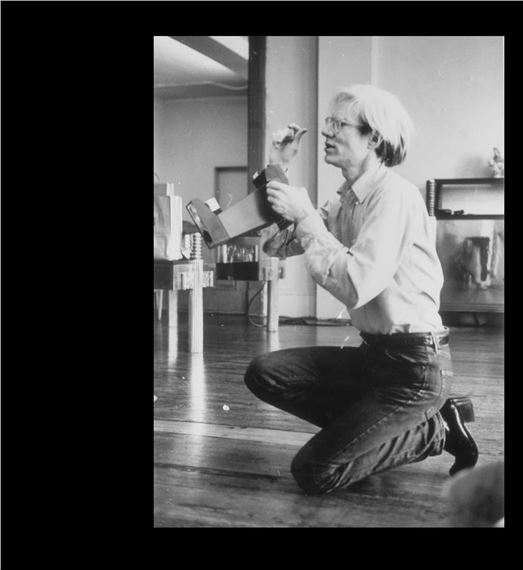
Although Andy Warhol is generally known for his famous silkscreen prints of celebrities and soup cans, photography was an integral part of both his artistic practice and his personal life. He especially embraced the automatic, serial, and mechanical properties of the polaroid camera that resulted in instant feedback. The plastic camera created by Polaroid called “The Big Shot,” became such an elemental part of Warhol’s work that he called it his “pen and pencil.”
Warhol carried this camera, along with other Polaroid models, and eventually a Minox 35EL film camera, with him everywhere from the late 1950s until his death in 1987. During that time, Warhol created a “visual diary." He obsessively photographed and recorded his daily life and social circle alongside his commercial and professional projects, blurring the line between art and commerce, and private and public. For various reasons, Warhol photographed a motley crew of pop culture icons (including himself) alongside minor celebrities, fashion designers, directors, fellow artists, dealers, musicians, athletes, business tycoons, socialites, actors, lovers, lawyers, and more.
Some photographs started out as source material or first drafts that were eventually transferred to other media —others were finished works. He photographed for magazine assignments, many for editors at Interview Magazine, for commercial projects such as the album covers for Sticky Fingers and Love you Live for the Rolling Stones, and ad campaigns for Absolut Vodka. He also used photographs as templates for private commissions which were a lucrative source of his income.
Recommended for you


Although Andy Warhol is generally known for his famous silkscreen prints of celebrities and soup cans, photography was an integral part of both his artistic practice and his personal life. He especially embraced the automatic, serial, and mechanical properties of the polaroid camera that resulted in instant feedback. The plastic camera created by Polaroid called “The Big Shot,” became such an elemental part of Warhol’s work that he called it his “pen and pencil.”
Warhol carried this camera, along with other Polaroid models, and eventually a Minox 35EL film camera, with him everywhere from the late 1950s until his death in 1987. During that time, Warhol created a “visual diary." He obsessively photographed and recorded his daily life and social circle alongside his commercial and professional projects, blurring the line between art and commerce, and private and public. For various reasons, Warhol photographed a motley crew of pop culture icons (including himself) alongside minor celebrities, fashion designers, directors, fellow artists, dealers, musicians, athletes, business tycoons, socialites, actors, lovers, lawyers, and more.
Some photographs started out as source material or first drafts that were eventually transferred to other media —others were finished works. He photographed for magazine assignments, many for editors at Interview Magazine, for commercial projects such as the album covers for Sticky Fingers and Love you Live for the Rolling Stones, and ad campaigns for Absolut Vodka. He also used photographs as templates for private commissions which were a lucrative source of his income.
Artists on show
Contact details

