BUY ART
ONLINE: Indonesian Waves
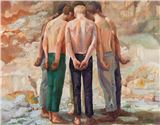
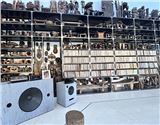
Primae Noctis Art Gallery and Outlet of Art - digital platform for Contemporary Art - are pleased to announce their first collaboration, presenting Indonesian Waves, a virtual group exhibition. In the persistent path of research towards the “new springs” of worldwide contemporary art, certainly what happened in Indonesia - as far as the Asian front is concerned - represents one of the fundamental expressions. The first signs of the Indonesian Contemporary Art made their appearance already in the early seventies, reacted toward the depoliticization of art and also embraced the popular culture by means of realistic paintings.
Up to 1965, during the era of the socialistic government, Indonesia severed its connection to the international world. The Indonesian government walked out of the United Nations to back the stance of the Chinese government at the time. Due to the ban imposed by the government on all things “West”, the Indonesian visual realm was deprived of many visual stimuli. There were no books, films or concert coming from West. In 1966 the liberal government took over power from the socialistic government, and Indonesia finally reopened international borders. This abrupt shift changed the visual realm that had previously been impoverished and the young artists have been deeply impressed by the encounter/ collision with this new reality, they’ve been invaded by a new imaginary, which enriched their visual experiences. The first shoots of Indonesian Contemporary Art show how Contemporary Art cannot be completely separated from its local contest.
Recommended for you
Primae Noctis Art Gallery and Outlet of Art - digital platform for Contemporary Art - are pleased to announce their first collaboration, presenting Indonesian Waves, a virtual group exhibition. In the persistent path of research towards the “new springs” of worldwide contemporary art, certainly what happened in Indonesia - as far as the Asian front is concerned - represents one of the fundamental expressions. The first signs of the Indonesian Contemporary Art made their appearance already in the early seventies, reacted toward the depoliticization of art and also embraced the popular culture by means of realistic paintings.
Up to 1965, during the era of the socialistic government, Indonesia severed its connection to the international world. The Indonesian government walked out of the United Nations to back the stance of the Chinese government at the time. Due to the ban imposed by the government on all things “West”, the Indonesian visual realm was deprived of many visual stimuli. There were no books, films or concert coming from West. In 1966 the liberal government took over power from the socialistic government, and Indonesia finally reopened international borders. This abrupt shift changed the visual realm that had previously been impoverished and the young artists have been deeply impressed by the encounter/ collision with this new reality, they’ve been invaded by a new imaginary, which enriched their visual experiences. The first shoots of Indonesian Contemporary Art show how Contemporary Art cannot be completely separated from its local contest.
What's on nearby