ARTISTS


Picasso's South. Andalusian References
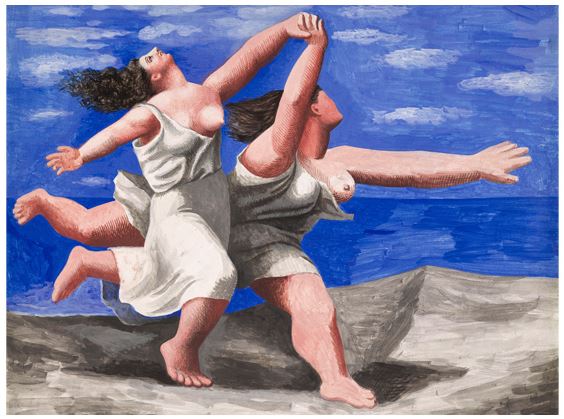
The aim of Picasso’s South. Andalusian References is to illustrate how the visual nature of Picasso's work holds features and qualities, such as austerity or loss of faith, that are similar to those of Spain’s own collective memory and are both tangible in its artistic heritage and present in the emotional expression of a people who have been artistically constructing a cultural identity for many centuries. In the case of Andalusia, it is clearly that of a melting-pot of three different cultures. In an analogy with the path of the sun, as described in textbooks on symbology, the East was associated with birth and new beginnings, whereas he West was linked to outcomes, endings and, ultimately, death. The exhibition also aims to illustrate Picasso’s personal and cyclical intellectual journey from south to north, using the symbolic heritage of his homeland to somehow return to his origins.
The exhibition will bring together around 200 artworks, showing paintings, sculptures, drawings and graphic works by Pablo Picasso alongside a significant number of archaeological artefacts from the Iberian and Phoenician cultures and the Greco-Roman period, as well as paintings, engravings and polychrome sculptures by great masters such as Alonso Cano, Goya, El Greco, Sánchez Cotán, Velázquez and Zurbarán. The exhibition will refer to subjects that form part of Picasso’s iconography, such as the rituals of bullfighting, still life, vanitas paintings, motherhood and religious rites, and his artistic affinity with the Spanish Baroque painters, revealing aspects of his strong identification with, and novel interpretation of the artistic legacy of Spain.
Recommended for you


The aim of Picasso’s South. Andalusian References is to illustrate how the visual nature of Picasso's work holds features and qualities, such as austerity or loss of faith, that are similar to those of Spain’s own collective memory and are both tangible in its artistic heritage and present in the emotional expression of a people who have been artistically constructing a cultural identity for many centuries. In the case of Andalusia, it is clearly that of a melting-pot of three different cultures. In an analogy with the path of the sun, as described in textbooks on symbology, the East was associated with birth and new beginnings, whereas he West was linked to outcomes, endings and, ultimately, death. The exhibition also aims to illustrate Picasso’s personal and cyclical intellectual journey from south to north, using the symbolic heritage of his homeland to somehow return to his origins.
The exhibition will bring together around 200 artworks, showing paintings, sculptures, drawings and graphic works by Pablo Picasso alongside a significant number of archaeological artefacts from the Iberian and Phoenician cultures and the Greco-Roman period, as well as paintings, engravings and polychrome sculptures by great masters such as Alonso Cano, Goya, El Greco, Sánchez Cotán, Velázquez and Zurbarán. The exhibition will refer to subjects that form part of Picasso’s iconography, such as the rituals of bullfighting, still life, vanitas paintings, motherhood and religious rites, and his artistic affinity with the Spanish Baroque painters, revealing aspects of his strong identification with, and novel interpretation of the artistic legacy of Spain.
Contact details

Related articles
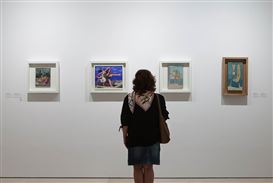
Picasso’s South. Andalusian References provides a synthesis of Spanish art history, displaying works by Pablo Picasso alongside valuable archaeological artefacts and paintings by great Spanish masters, in an ambitious show that moves from Iberian art through Classical...
What's on nearby