
 ARTISTS


Pop Art: 20th Century Popular Culture as Muse
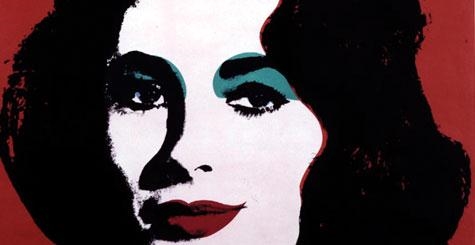
The Weatherspoon Art Museum has a deep collection of Pop art and will feature some of its signature prints and multiples this fall in Pop Art: 20th-century Popular Culture as Muse. Beginning in the late 1950s, a new art movement began gaining traction in America. A reaction to the then-dominant ideas and techniques of Abstract Expressionism, Pop Art challenged traditions of fine art by showcasing commercial techniques and representational imagery derived from popular culture. Source material included advertising, journalism, comic books, and other mundane cultural artifacts such as road signs and consumer goods. These subjects were treated in an impersonal manner that minimized the artist’s personal involvement in the creation of the artwork and idealized mass production. For example, Roy Lichtenstein made use of the large Ben-Day dots found in commercial printing to comment simultaneously on the methods and the message of mass media. Andy Warhol also favored mechanical production processes and exploited newspaper and tabloid clippings of celebrities and current events as source material for his images. Even artists who were part of the second generation of Pop artists, such as Ed Ruscha and Mel Ramos, found twentieth-century popular culture inspirational. Ruscha’s text-based artforms are strongly influenced by his early career as a graphic designer while Mel Ramos’s prints comment on the incessant relationship between sex and advertising. Come discover what subjects and techniques of Pop art interest you most.
Recommended for you


The Weatherspoon Art Museum has a deep collection of Pop art and will feature some of its signature prints and multiples this fall in Pop Art: 20th-century Popular Culture as Muse. Beginning in the late 1950s, a new art movement began gaining traction in America. A reaction to the then-dominant ideas and techniques of Abstract Expressionism, Pop Art challenged traditions of fine art by showcasing commercial techniques and representational imagery derived from popular culture. Source material included advertising, journalism, comic books, and other mundane cultural artifacts such as road signs and consumer goods. These subjects were treated in an impersonal manner that minimized the artist’s personal involvement in the creation of the artwork and idealized mass production. For example, Roy Lichtenstein made use of the large Ben-Day dots found in commercial printing to comment simultaneously on the methods and the message of mass media. Andy Warhol also favored mechanical production processes and exploited newspaper and tabloid clippings of celebrities and current events as source material for his images. Even artists who were part of the second generation of Pop artists, such as Ed Ruscha and Mel Ramos, found twentieth-century popular culture inspirational. Ruscha’s text-based artforms are strongly influenced by his early career as a graphic designer while Mel Ramos’s prints comment on the incessant relationship between sex and advertising. Come discover what subjects and techniques of Pop art interest you most.
Artists on show
Contact details

