ARTISTS



Pop Art: The Bright Side of Life
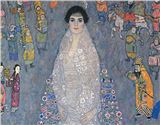
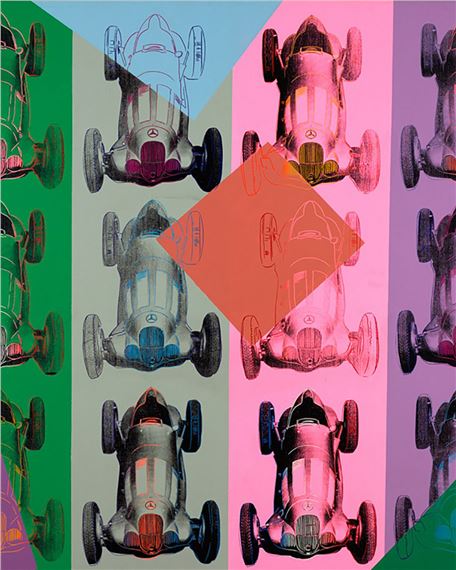
It was around 1960 that pop art began to supplant abstract painting. In terms of worldview, pop art embodied a reaction to the post-World War Two economic boom, the commercialization of all areas of life, and the rise of consumer and leisure culture as well as the celebrity cult fueled by film, television, and illustrated magazines.
From an art-historical perspective, pop art represents a backlash against abstraction as the supposed endpoint of painting’s developmental history. With Andy Warhol, Roy Lichtenstein, Mel Ramos, and Alex Katz, representation made a powerful return to art—not as “mimesis” (the imitation of nature), but as the “appropriation” of pre-existing images. Whether it was photographs or other pictorial matter from newspapers, comics, illustrated magazines, or advertisements: every person and every thing became a product, a fetish, a celebrity, a consumer object.
Recommended for you


It was around 1960 that pop art began to supplant abstract painting. In terms of worldview, pop art embodied a reaction to the post-World War Two economic boom, the commercialization of all areas of life, and the rise of consumer and leisure culture as well as the celebrity cult fueled by film, television, and illustrated magazines.
From an art-historical perspective, pop art represents a backlash against abstraction as the supposed endpoint of painting’s developmental history. With Andy Warhol, Roy Lichtenstein, Mel Ramos, and Alex Katz, representation made a powerful return to art—not as “mimesis” (the imitation of nature), but as the “appropriation” of pre-existing images. Whether it was photographs or other pictorial matter from newspapers, comics, illustrated magazines, or advertisements: every person and every thing became a product, a fetish, a celebrity, a consumer object.
Artists on show

What's on nearby