ARTISTS
Pressed for Time: History of Printmaking
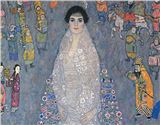
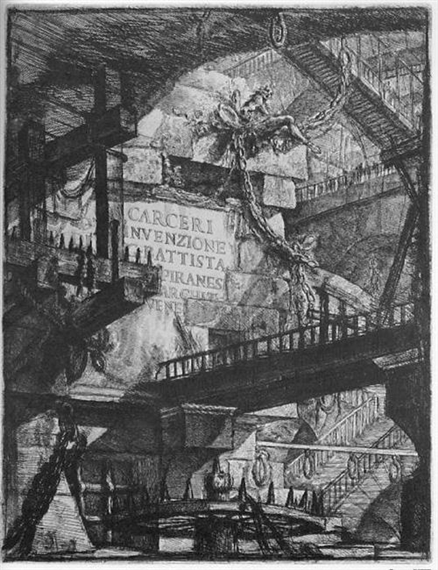
Over the last five centuries, the creative potential of printmaking has attracted many of the world’s great artists who turned to printmaking because the various processes offered unique alternatives to painting or drawing. And because the works were made in multiples, images could also be distributed more widely and more inexpensively to people wanting to collect art. Even today, a painting or sculpture can be financially out of reach for many, but a print more often is within one’s budget. With the abundance of printed material today, many people do not understand the difference between an original print and a reproduction. Through detailed explanations of the historical development of the various processes and the technical characteristics of creating an original print, visitors can increase their awareness and appreciation of this medium and why artists have embraced a particular process or, in some cases, a combination of processes.
Recommended for you


Over the last five centuries, the creative potential of printmaking has attracted many of the world’s great artists who turned to printmaking because the various processes offered unique alternatives to painting or drawing. And because the works were made in multiples, images could also be distributed more widely and more inexpensively to people wanting to collect art. Even today, a painting or sculpture can be financially out of reach for many, but a print more often is within one’s budget. With the abundance of printed material today, many people do not understand the difference between an original print and a reproduction. Through detailed explanations of the historical development of the various processes and the technical characteristics of creating an original print, visitors can increase their awareness and appreciation of this medium and why artists have embraced a particular process or, in some cases, a combination of processes.
Contact details

What's on nearby