BUY ART


Signature Signs in American Pop
This exhibition focuses on a selection of works by identifiable figures of American Pop art, widely known for their signature styles that elevate the meanings of everyday symbols, signs, and subjects.
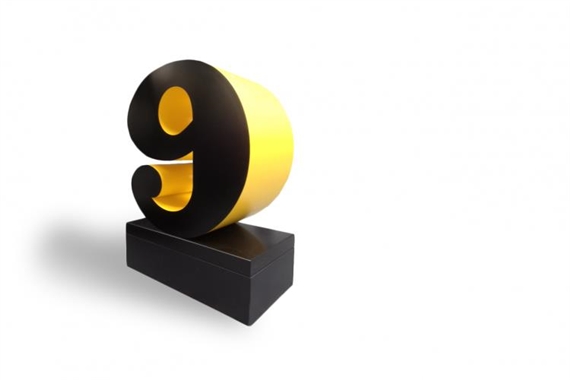
Robert Indiana distinguished himself as the “American Painter of Signs” as a way to emphasize his interest in exploring American identity, personal history, and the power of abstraction and language. Indiana’s NINE (1980–2001) employs his signature motif since the 1980s—using numbers as the subject of his sculptural works. Indiana pays homage to the form, poetics, and symbolism of the number nine, while his palette choice of black and yellow conveys a sense of warning.
Jim Dine’s distinct method of appropriating and recontextualizing the familiar sign of love in Meadow Heart #1 (1971) blends Pop and expressionistic styles, leading his work away from glorified consumerism and into the realm of the personal and sincere.
Roy Lichtenstein adopted popular imagery from advertising and comics, replicating benday dots used in mass-circulation publications like newspapers and billboards. This printing motif, combined with an interest in mobiles, gave Lichtenstein a unique edge among his Pop art contemporaries and resulted in works like Suspended Mobile (1990).
Recommended for you


This exhibition focuses on a selection of works by identifiable figures of American Pop art, widely known for their signature styles that elevate the meanings of everyday symbols, signs, and subjects.
Robert Indiana distinguished himself as the “American Painter of Signs” as a way to emphasize his interest in exploring American identity, personal history, and the power of abstraction and language. Indiana’s NINE (1980–2001) employs his signature motif since the 1980s—using numbers as the subject of his sculptural works. Indiana pays homage to the form, poetics, and symbolism of the number nine, while his palette choice of black and yellow conveys a sense of warning.
Jim Dine’s distinct method of appropriating and recontextualizing the familiar sign of love in Meadow Heart #1 (1971) blends Pop and expressionistic styles, leading his work away from glorified consumerism and into the realm of the personal and sincere.
Roy Lichtenstein adopted popular imagery from advertising and comics, replicating benday dots used in mass-circulation publications like newspapers and billboards. This printing motif, combined with an interest in mobiles, gave Lichtenstein a unique edge among his Pop art contemporaries and resulted in works like Suspended Mobile (1990).
Artists on show
Contact details
What's on nearby