ARTISTS



Sordid and Sacred: The Beggars in Rembrandt’s Etchings
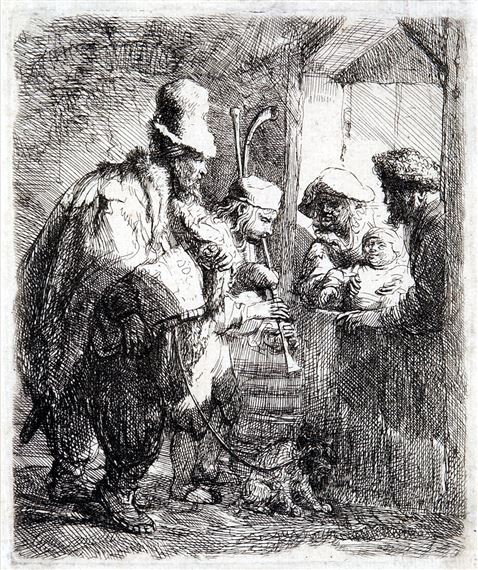
This exhibition features 35 rare etchings by Rembrandt van Rijn executed between 1629 and 1648. As one of the towering figures in the history of art, Rembrandt, a miller’s son from the university town of Leiden, was an artist of unmatched genius. Equally gifted as a painter, printmaker, and draftsman, Rembrandt proved himself to be as skillful at making portraits as he was at creating religious and mythological narratives. His landscapes are just as remarkable as his rare still lifes and subjects detailing everyday life.
Widely recognized as the greatest practitioner of the etching technique in the history of art, Rembrandt created 300 prints that constitute a body of work unparalleled in richness and beauty. Rembrandt repeatedly chose beggars as the subject for his etchings. Many of Rembrandt's etchings sympathetically portray beggars as biblical figures. These etchings of beggars also played an essential role in Rembrandt's formative years as an artist.
Dutch author, art historian, and editor of: THE COMPLETE ETCHINGS OF REMBRANDT, Dover Publications, NY, 1994, Gary Schwartz, in his essay for the exhibition catalogue, writes “The image of the beggar in Netherlandish art was no better than in society as a whole. It would not then have been out of line with the convictions of his society, with Netherlandish artistic tradition or classical art theory, had Rembrandt depicted beggars as contemptible or loathsome creatures. Indeed, some of his work fits perfectly well into this picture."
However, many of Rembrandt's etchings are of biblical scenes with biblical figures portrayed as beggars. Schwartz writes, “This kind of crossover between street life and sacred history matches a pattern that is found elsewhere in Rembrandt's work. Mean and sordid though they may have been in life and in art theory, in Rembrandt's etchings beggars are bestowed with sanctity and individuality.” He continues. “This constellation of images and of markets - from the pennies paid for small etchings of beggars to the veritable fortunes Rembrandt earned for paintings for the stadholder - shows how essential Rembrandt's etchings of beggars were in his formative years as an artist. The way he imagined the beggar is inextricable from the way he imagined himself, the way he imagined Christ, the way he conceived of imagery itself.”
Recommended for you


This exhibition features 35 rare etchings by Rembrandt van Rijn executed between 1629 and 1648. As one of the towering figures in the history of art, Rembrandt, a miller’s son from the university town of Leiden, was an artist of unmatched genius. Equally gifted as a painter, printmaker, and draftsman, Rembrandt proved himself to be as skillful at making portraits as he was at creating religious and mythological narratives. His landscapes are just as remarkable as his rare still lifes and subjects detailing everyday life.
Widely recognized as the greatest practitioner of the etching technique in the history of art, Rembrandt created 300 prints that constitute a body of work unparalleled in richness and beauty. Rembrandt repeatedly chose beggars as the subject for his etchings. Many of Rembrandt's etchings sympathetically portray beggars as biblical figures. These etchings of beggars also played an essential role in Rembrandt's formative years as an artist.
Dutch author, art historian, and editor of: THE COMPLETE ETCHINGS OF REMBRANDT, Dover Publications, NY, 1994, Gary Schwartz, in his essay for the exhibition catalogue, writes “The image of the beggar in Netherlandish art was no better than in society as a whole. It would not then have been out of line with the convictions of his society, with Netherlandish artistic tradition or classical art theory, had Rembrandt depicted beggars as contemptible or loathsome creatures. Indeed, some of his work fits perfectly well into this picture."
However, many of Rembrandt's etchings are of biblical scenes with biblical figures portrayed as beggars. Schwartz writes, “This kind of crossover between street life and sacred history matches a pattern that is found elsewhere in Rembrandt's work. Mean and sordid though they may have been in life and in art theory, in Rembrandt's etchings beggars are bestowed with sanctity and individuality.” He continues. “This constellation of images and of markets - from the pennies paid for small etchings of beggars to the veritable fortunes Rembrandt earned for paintings for the stadholder - shows how essential Rembrandt's etchings of beggars were in his formative years as an artist. The way he imagined the beggar is inextricable from the way he imagined himself, the way he imagined Christ, the way he conceived of imagery itself.”
Artists on show
Contact details

What's on nearby