ARTISTS



The City of Women
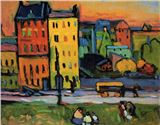
In The City of Women offers a multitude of perspectives that refer to both well-known and established research topics related to art created by female artists, as well as trace the changes in current artistic sensibilities in this area. On the one hand, the project Z trzewi (Gutsy) employs aesthetic feminist artistic language and exhibition design that is also political, while on the other, in Inne jutra (Other Tomorrows), the curators challenge established feminist norms. They seek to complicate the image of art created by female artists by introducing fluid categories that cut across binary identity divisions between he and she. Wiktoria Szczupacka takes a more academic approach, calling attention to the overlooked history of feminist emancipation in communist Poland. Karolina Gembara presents an activist point of view, showing the struggle for reproductive rights from a very contemporary perspective.
The exhibition opens at a time when attention to women’s rights in Poland is once again taking a back seat, and years of globalization and activism are not yielding the desired results. The fundamental demand of various forms of feminist art is equality, and art strengthens the political imagination that can give it real shape.
Recommended for you




In The City of Women offers a multitude of perspectives that refer to both well-known and established research topics related to art created by female artists, as well as trace the changes in current artistic sensibilities in this area. On the one hand, the project Z trzewi (Gutsy) employs aesthetic feminist artistic language and exhibition design that is also political, while on the other, in Inne jutra (Other Tomorrows), the curators challenge established feminist norms. They seek to complicate the image of art created by female artists by introducing fluid categories that cut across binary identity divisions between he and she. Wiktoria Szczupacka takes a more academic approach, calling attention to the overlooked history of feminist emancipation in communist Poland. Karolina Gembara presents an activist point of view, showing the struggle for reproductive rights from a very contemporary perspective.
The exhibition opens at a time when attention to women’s rights in Poland is once again taking a back seat, and years of globalization and activism are not yielding the desired results. The fundamental demand of various forms of feminist art is equality, and art strengthens the political imagination that can give it real shape.
Artists on show
- Agata Kubis
- Alexandra Ivanciu
- Alina Szapocznikow
- Anna Krenz
- Anna Maria Maiolino
- Anna Molska
- Beata Rojek
- Carmen Winant
- Charlotte Posenenske
- Eva Hesse
- Franziska Kabisch
- Joanna Musiał
- Johanna Unzueta
- Jolanta Nowaczyk
- Jumana Manna
- Katarzyna Depta-Garapich
- Leonor Antunes
- Liliana Zeic
- Mária Bartuszová
- Maria Teresa Chojnacka
- Marie Lukáčová
- Maryam Hoseini
- Michalina Kuczyńska
- Mona Hatoum
- Natasha Tontey
- Rachel Fallon
- Rafał Milach
- Robert Gabris
- Sara Sadik
- Senga Nengudi
- Sonia Sobiech
- Tala Madani
- Zoska Reznik

Related articles
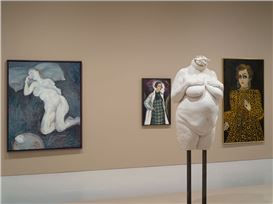
Two concurrent exhibitions, The Woman Question 1550–2025 and The City of Women, will launch MSN Warsaw’s second year of operations in its new building.
What's on nearby