
 ARTISTS

The Great Graphic Boom. Pop art on paper
This exhibition of holdings from the Prints and Drawings Collection showcases various pop-art pioneers, such as the British artists Richard Hamilton, Eduardo Paolozzi and Joe Tilson. In the mid-1950s, they were among the first to explore modern life and the constant stream of images produced by the mass media, advertising and comics. However, in the 1960s, it was American pop art artists who truly put the movement on the map. The rediscovery of printmaking – the “great graphic boom” – played a central role in the ascendency of pop art. Modern silk-screen printing in particular, with its brilliant colours and high print runs, met the pop artists’ goal of widely distributing their work. And by turning to everyday life for inspiration, these artists fundamentally changed the understanding of which topics were art-worthy.
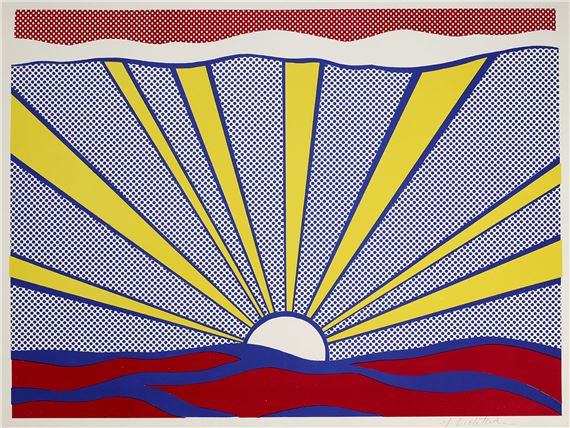
The exhibition presents, among others, Robert Indiana, Roy Lichtenstein and Mel Ramos alongside German artists who borrowed ideas from everyday culture and the mass media. When the belief in progress and optimism that marked this decade came to an end and the tensions and conflicts of the 1970s emerged, this change was reflected in their works. Topics such as the Vietnam War, the student protest movement or the oil crisis provided a counterpoint to the supposedly cheerful and colourful world of consumerism.
Recommended for you


This exhibition of holdings from the Prints and Drawings Collection showcases various pop-art pioneers, such as the British artists Richard Hamilton, Eduardo Paolozzi and Joe Tilson. In the mid-1950s, they were among the first to explore modern life and the constant stream of images produced by the mass media, advertising and comics. However, in the 1960s, it was American pop art artists who truly put the movement on the map. The rediscovery of printmaking – the “great graphic boom” – played a central role in the ascendency of pop art. Modern silk-screen printing in particular, with its brilliant colours and high print runs, met the pop artists’ goal of widely distributing their work. And by turning to everyday life for inspiration, these artists fundamentally changed the understanding of which topics were art-worthy.
The exhibition presents, among others, Robert Indiana, Roy Lichtenstein and Mel Ramos alongside German artists who borrowed ideas from everyday culture and the mass media. When the belief in progress and optimism that marked this decade came to an end and the tensions and conflicts of the 1970s emerged, this change was reflected in their works. Topics such as the Vietnam War, the student protest movement or the oil crisis provided a counterpoint to the supposedly cheerful and colourful world of consumerism.
Contact details

