
 ARTISTS
The Hermitage in the Prado
Nov 08, 2011 - Mar 25, 2012
Curator: Gabriele Finaldi. Deputy Director of Consevation and Research, Museo Nacional del Prado
Jointly organised by the Museo del Prado, the State Hermitage Museum and Spanish Cultural Action, this exhibition will bring together a sizeable group of works that reveal the varied nature of the collections of the Hermitage, which range from the 5th century BC to the 20th century. It will include outstanding examples of classical art, decorative works of art, painting, sculpture and drawing. The exhibition will occupy all the Prado’s temporary exhibition galleries in the new extension, which will become a “mini- Hermitage” for the four months of the exhibition.
The Hermitage in Saint Petersburg is one of the greatest and most spectacular museums in the world. Located in a series of palatial buildings in the banks of the Neva, in particular the Winter Palace, the residence of Catherine the Great in the 18th century, the Museum’s collections encompass pharaonic Egypt, Siberian cultures, the Greco-Roman world, Renaissance art, Neo-classical sculpture and the paintings of Matisse and Picasso.
The exhibition to be held at the Prado offers a unique and remarkable opportunity to see treasures from the Hermitage, in particular ancient gold objects, examples of the decorative arts, and the museum’s magnificent holdings of fine arts, paintings, sculptures and drawings. The exhibition will look at the principal figures in the creation of the palace-museum, the splendor of its interiors and the magnificent works of art and archaeology that it houses.
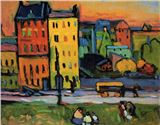
Paintings to be loaned to the Prado include major compositions such as Saint Sebastian by Titian, The Lute Player by Caravaggio, Saint Sebastian by Ribera, and Three Men at a Table by Velázquez. Two important works by Rembrandt, Portrait of a Scholar and Haman accepts his Fate will also be on display. Drawings on loan will include works by Dürer, Rubens, Watteau and Ingres, while sculptures include the terracotta study by Bernini for The Ecstasy of Saint Theresa and one of Antonio Canova’s masterpieces, Mary Magdalen in meditation. The exhibition will also have notable examples of the Impressionist and Post-Impressionist paintings in the Hermitage, including works by Monet, Cézanne, Renoir, Gauguin and Matisse, the latter represented by The Game of Bowls and Conversation. There will be three canvases by Picasso, including Seated Woman and The Absinth Drinker, while this section will be completed with two Russian avant-garde abstract works, Composition VI by Kandinsky and Malevich’s enigmatic Black Painting.
Among the highlights from the Hermitage’s archaeological collections are the Comb with Battle Scene, a Scythian work from the 4th century BC, and the pieces of Siberian jewellery that came to the Museum from Peter the Great’s collection. Among the decorative works of art to be shown in Madrid will be the sword embellished with silver, rubies and diamonds that was given to the Czar in the 18th century by the Indian Ambassador, and the Vase of Flowers in rock crystal, gold and diamonds by Carl Fabergé (1846-1920), jeweller to the Imperial family.
Jointly organised by the Museo del Prado, the State Hermitage Museum and Spanish Cultural Action, this exhibition will bring together a sizeable group of works that reveal the varied nature of the collections of the Hermitage, which range from the 5th century BC to the 20th century. It will include outstanding examples of classical art, decorative works of art, painting, sculpture and drawing. The exhibition will occupy all the Prado’s temporary exhibition galleries in the new extension, which will become a “mini- Hermitage” for the four months of the exhibition.
The Hermitage in Saint Petersburg is one of the greatest and most spectacular museums in the world. Located in a series of palatial buildings in the banks of the Neva, in particular the Winter Palace, the residence of Catherine the Great in the 18th century, the Museum’s collections encompass pharaonic Egypt, Siberian cultures, the Greco-Roman world, Renaissance art, Neo-classical sculpture and the paintings of Matisse and Picasso.
The exhibition to be held at the Prado offers a unique and remarkable opportunity to see treasures from the Hermitage, in particular ancient gold objects, examples of the decorative arts, and the museum’s magnificent holdings of fine arts, paintings, sculptures and drawings. The exhibition will look at the principal figures in the creation of the palace-museum, the splendor of its interiors and the magnificent works of art and archaeology that it houses.
Paintings to be loaned to the Prado include major compositions such as Saint Sebastian by Titian, The Lute Player by Caravaggio, Saint Sebastian by Ribera, and Three Men at a Table by Velázquez. Two important works by Rembrandt, Portrait of a Scholar and Haman accepts his Fate will also be on display. Drawings on loan will include works by Dürer, Rubens, Watteau and Ingres, while sculptures include the terracotta study by Bernini for The Ecstasy of Saint Theresa and one of Antonio Canova’s masterpieces, Mary Magdalen in meditation. The exhibition will also have notable examples of the Impressionist and Post-Impressionist paintings in the Hermitage, including works by Monet, Cézanne, Renoir, Gauguin and Matisse, the latter represented by The Game of Bowls and Conversation. There will be three canvases by Picasso, including Seated Woman and The Absinth Drinker, while this section will be completed with two Russian avant-garde abstract works, Composition VI by Kandinsky and Malevich’s enigmatic Black Painting.
Among the highlights from the Hermitage’s archaeological collections are the Comb with Battle Scene, a Scythian work from the 4th century BC, and the pieces of Siberian jewellery that came to the Museum from Peter the Great’s collection. Among the decorative works of art to be shown in Madrid will be the sword embellished with silver, rubies and diamonds that was given to the Czar in the 18th century by the Indian Ambassador, and the Vase of Flowers in rock crystal, gold and diamonds by Carl Fabergé (1846-1920), jeweller to the Imperial family.

Recommended for you

Jul 07, 2017
- Jun 05, 2027


Curator: Gabriele Finaldi. Deputy Director of Consevation and Research, Museo Nacional del Prado
Jointly organised by the Museo del Prado, the State Hermitage Museum and Spanish Cultural Action, this exhibition will bring together a sizeable group of works that reveal the varied nature of the collections of the Hermitage, which range from the 5th century BC to the 20th century. It will include outstanding examples of classical art, decorative works of art, painting, sculpture and drawing. The exhibition will occupy all the Prado’s temporary exhibition galleries in the new extension, which will become a “mini- Hermitage” for the four months of the exhibition.
The Hermitage in Saint Petersburg is one of the greatest and most spectacular museums in the world. Located in a series of palatial buildings in the banks of the Neva, in particular the Winter Palace, the residence of Catherine the Great in the 18th century, the Museum’s collections encompass pharaonic Egypt, Siberian cultures, the Greco-Roman world, Renaissance art, Neo-classical sculpture and the paintings of Matisse and Picasso.
The exhibition to be held at the Prado offers a unique and remarkable opportunity to see treasures from the Hermitage, in particular ancient gold objects, examples of the decorative arts, and the museum’s magnificent holdings of fine arts, paintings, sculptures and drawings. The exhibition will look at the principal figures in the creation of the palace-museum, the splendor of its interiors and the magnificent works of art and archaeology that it houses.
Paintings to be loaned to the Prado include major compositions such as Saint Sebastian by Titian, The Lute Player by Caravaggio, Saint Sebastian by Ribera, and Three Men at a Table by Velázquez. Two important works by Rembrandt, Portrait of a Scholar and Haman accepts his Fate will also be on display. Drawings on loan will include works by Dürer, Rubens, Watteau and Ingres, while sculptures include the terracotta study by Bernini for The Ecstasy of Saint Theresa and one of Antonio Canova’s masterpieces, Mary Magdalen in meditation. The exhibition will also have notable examples of the Impressionist and Post-Impressionist paintings in the Hermitage, including works by Monet, Cézanne, Renoir, Gauguin and Matisse, the latter represented by The Game of Bowls and Conversation. There will be three canvases by Picasso, including Seated Woman and The Absinth Drinker, while this section will be completed with two Russian avant-garde abstract works, Composition VI by Kandinsky and Malevich’s enigmatic Black Painting.
Among the highlights from the Hermitage’s archaeological collections are the Comb with Battle Scene, a Scythian work from the 4th century BC, and the pieces of Siberian jewellery that came to the Museum from Peter the Great’s collection. Among the decorative works of art to be shown in Madrid will be the sword embellished with silver, rubies and diamonds that was given to the Czar in the 18th century by the Indian Ambassador, and the Vase of Flowers in rock crystal, gold and diamonds by Carl Fabergé (1846-1920), jeweller to the Imperial family.
Jointly organised by the Museo del Prado, the State Hermitage Museum and Spanish Cultural Action, this exhibition will bring together a sizeable group of works that reveal the varied nature of the collections of the Hermitage, which range from the 5th century BC to the 20th century. It will include outstanding examples of classical art, decorative works of art, painting, sculpture and drawing. The exhibition will occupy all the Prado’s temporary exhibition galleries in the new extension, which will become a “mini- Hermitage” for the four months of the exhibition.
The Hermitage in Saint Petersburg is one of the greatest and most spectacular museums in the world. Located in a series of palatial buildings in the banks of the Neva, in particular the Winter Palace, the residence of Catherine the Great in the 18th century, the Museum’s collections encompass pharaonic Egypt, Siberian cultures, the Greco-Roman world, Renaissance art, Neo-classical sculpture and the paintings of Matisse and Picasso.
The exhibition to be held at the Prado offers a unique and remarkable opportunity to see treasures from the Hermitage, in particular ancient gold objects, examples of the decorative arts, and the museum’s magnificent holdings of fine arts, paintings, sculptures and drawings. The exhibition will look at the principal figures in the creation of the palace-museum, the splendor of its interiors and the magnificent works of art and archaeology that it houses.
Paintings to be loaned to the Prado include major compositions such as Saint Sebastian by Titian, The Lute Player by Caravaggio, Saint Sebastian by Ribera, and Three Men at a Table by Velázquez. Two important works by Rembrandt, Portrait of a Scholar and Haman accepts his Fate will also be on display. Drawings on loan will include works by Dürer, Rubens, Watteau and Ingres, while sculptures include the terracotta study by Bernini for The Ecstasy of Saint Theresa and one of Antonio Canova’s masterpieces, Mary Magdalen in meditation. The exhibition will also have notable examples of the Impressionist and Post-Impressionist paintings in the Hermitage, including works by Monet, Cézanne, Renoir, Gauguin and Matisse, the latter represented by The Game of Bowls and Conversation. There will be three canvases by Picasso, including Seated Woman and The Absinth Drinker, while this section will be completed with two Russian avant-garde abstract works, Composition VI by Kandinsky and Malevich’s enigmatic Black Painting.
Among the highlights from the Hermitage’s archaeological collections are the Comb with Battle Scene, a Scythian work from the 4th century BC, and the pieces of Siberian jewellery that came to the Museum from Peter the Great’s collection. Among the decorative works of art to be shown in Madrid will be the sword embellished with silver, rubies and diamonds that was given to the Czar in the 18th century by the Indian Ambassador, and the Vase of Flowers in rock crystal, gold and diamonds by Carl Fabergé (1846-1920), jeweller to the Imperial family.
Contact details
Sunday
9:00 AM - 8:00 PM
Tuesday - Saturday
9:00 AM - 8:00 PM
Paseo del Prado Madrid, Spain 28014

