ARTISTS



Transgresoras: Mail Art and Messages, 1960s–2020s
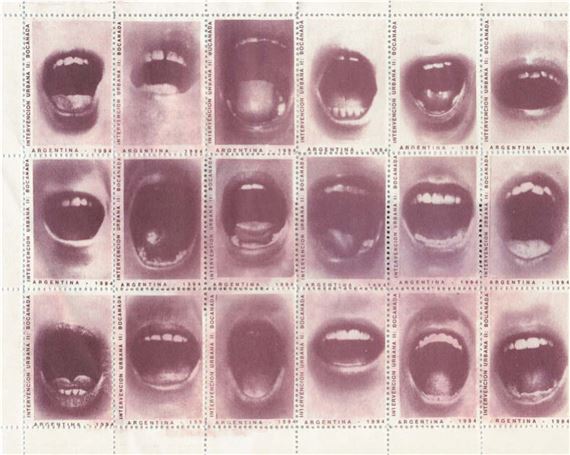
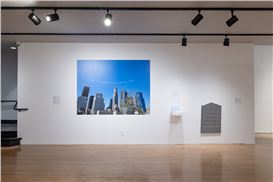
Transgresoras: Mail Art and Messages, 1960s–2020s surveys artworks made and exchanged by Latinx and Latin American women artists from the 1960s to the present. As a mode of artistic production that relied on the postal service for the circulation and exchange of artworks, Mail Art allowed artists in repressive societies to evade strict censorship measures, providing platforms for circulating their work and for political protest. Latinx and Latin American women artists have used the postal system to transgress a varied set of restrictive systems, ranging from gender expectations to authoritarian regimes.
Transgresoras presents historic works—including visual poetry, drawings, prints, performance, video, and photography—in dialogue with the work of a younger generation of artists who employ facets of correspondence in their work. This intergenerational approach brings to the fore overlooked historical precedents to restore a lineage of artistic production that has been little known in ensuing decades, enhancing our perspective on central issues of today’s media and political landscape.
The exhibition is organized around constellations addressing broad thematic groupings such as state control of communications media, censorship, and authoritarian violence; gender constructions and feminist ideals; migration, interconnectedness, and community at a distance; state bureaucracies and the legacies of colonialism; and decolonial approaches to ecology.
Recommended for you



Transgresoras: Mail Art and Messages, 1960s–2020s surveys artworks made and exchanged by Latinx and Latin American women artists from the 1960s to the present. As a mode of artistic production that relied on the postal service for the circulation and exchange of artworks, Mail Art allowed artists in repressive societies to evade strict censorship measures, providing platforms for circulating their work and for political protest. Latinx and Latin American women artists have used the postal system to transgress a varied set of restrictive systems, ranging from gender expectations to authoritarian regimes.
Transgresoras presents historic works—including visual poetry, drawings, prints, performance, video, and photography—in dialogue with the work of a younger generation of artists who employ facets of correspondence in their work. This intergenerational approach brings to the fore overlooked historical precedents to restore a lineage of artistic production that has been little known in ensuing decades, enhancing our perspective on central issues of today’s media and political landscape.
The exhibition is organized around constellations addressing broad thematic groupings such as state control of communications media, censorship, and authoritarian violence; gender constructions and feminist ideals; migration, interconnectedness, and community at a distance; state bureaucracies and the legacies of colonialism; and decolonial approaches to ecology.
Artists on show
- Amalia Pica
- Anésia Pacheco e Chaves
- Anna Banana
- Anna Bella Geiger
- Araceli Zuniga
- Arleene Correa Valencia
- Astrid González
- Beatriz Cortez
- Carmen Argote
- Carolina Caycedo
- Cecilia Vicuña
- Cesar Espinosa
- Clarissa Tossin
- Claudia Del Río
- Eduardo Molinari
- Gabriela Golder
- Gala Porras-Kim
- Giana De Dier
- Gilda Mantilla
- Graciela Gutiérrez
- Graciela Sacco
- Johanna Calle
- Jonathan Harker
- Josely Carvalho
- Karin Lambrecht
- Lenora de Barros
- Liliana Porter
- Luis Camnitzer
- Magali Lara
- Magdalena Fernández
- Marilá Dardot
- Marilyn Boror Bor
- Maris Bustamante
- Marta Minujin
- Martha Rosler
- Mira Schendel
- Mirtha Dermisache
- Mónica Mayer
- Neide Sá
- Patssi Valdez
- Regina José Galindo
- Regina Silveira
- Regina Vater
- Ruth Wolf-Rehfeldt
- S.C. Mero
- Sandra de la Loza
- Sandy Rodriguez
- Suzanne Lacy
- Teddy Sandoval
- Valentina Alvarado Matos
- Vera Chaves Barcellos
- Vera Salamanca
- Virginia Errázuris
- Voluspa Jarpa
- Yani Pecanins
Contact details

Related articles
New exhibition maps how Latin American women artists used mail art for political resistance.
What's on nearby