ARTISTS
Winter
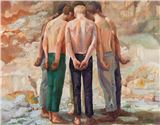
Far from being the black sheep of the seasons, winter is a period of extraordinary depth and beauty. While the brilliance of summer heightens colour and light intensity, it also tends to blitz the subtle nuances of atmosphere in its glare. But as the veil of winter descends these rich tonalities re-emerge.
It is difficult to assess the atmospheric conditions of winter without also being alert to the powerful psychological qualities that it arouses. It is no accident that the chill of the season stirs the souls of poets; we think of the romantics Keats and Shelley, and of Emily Dickinson who wrote of the ‘certain Slant of light’ on winter afternoons ‘That oppresses, like the Heft / of Cathedral Tunes—and When it comes—, the Landscape listens / Shadows—hold their breath / When it goes, ‘tis like the Distance / On the look of Death—’.
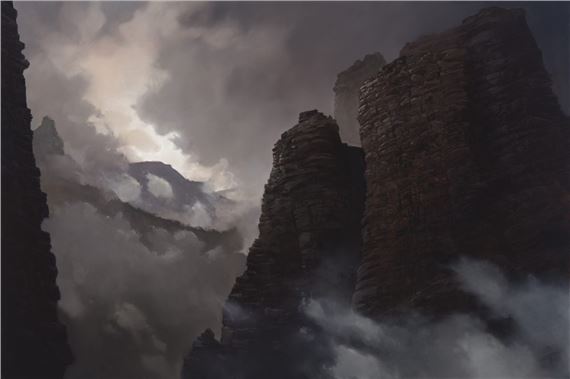
Winter stirs our visual artists as well—the creators of ‘listening landscapes’—whose works draw inspiration from the wells of its solemn darkness. These artists occupy the opposite end of the seasonal spectrum to the impressionists of summer; their objective is not to record the fleeting effects of natural light but the darkness and tremors attendant to thunder and gloom. They quietly illuminate the spiritual and nostalgic dimensions of winter, often as a place that can only be visited in our dreams.
Recommended for you



Far from being the black sheep of the seasons, winter is a period of extraordinary depth and beauty. While the brilliance of summer heightens colour and light intensity, it also tends to blitz the subtle nuances of atmosphere in its glare. But as the veil of winter descends these rich tonalities re-emerge.
It is difficult to assess the atmospheric conditions of winter without also being alert to the powerful psychological qualities that it arouses. It is no accident that the chill of the season stirs the souls of poets; we think of the romantics Keats and Shelley, and of Emily Dickinson who wrote of the ‘certain Slant of light’ on winter afternoons ‘That oppresses, like the Heft / of Cathedral Tunes—and When it comes—, the Landscape listens / Shadows—hold their breath / When it goes, ‘tis like the Distance / On the look of Death—’.
Winter stirs our visual artists as well—the creators of ‘listening landscapes’—whose works draw inspiration from the wells of its solemn darkness. These artists occupy the opposite end of the seasonal spectrum to the impressionists of summer; their objective is not to record the fleeting effects of natural light but the darkness and tremors attendant to thunder and gloom. They quietly illuminate the spiritual and nostalgic dimensions of winter, often as a place that can only be visited in our dreams.
What's on nearby