ARTISTS


Women Artists from Antwerp to Amsterdam, 1600-1750
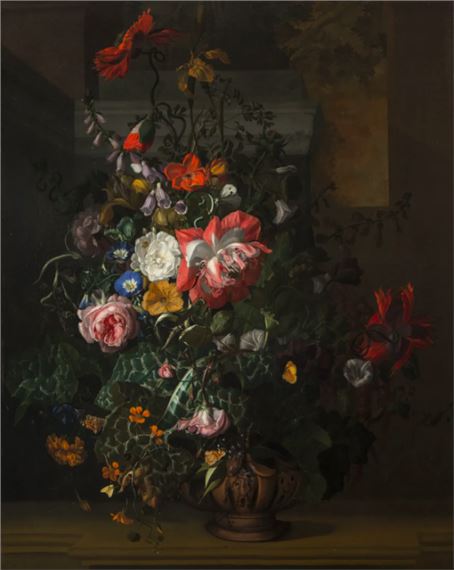
Women Artists from Antwerp to Amsterdam, 1600-1750 showcases a broad range of work by more than forty Dutch and Flemish women artists, including Gesina ter Borch, Maria Faydherbe, Anna Maria de Koker, Judith Leyster, Magdalena van de Passe, Clara Peeters, Rachel Ruysch, Maria Tassaert, Jeanne Vergouwen, Michaelina Wautier, and more. Presenting an array of paintings, lace, prints, paper cuttings, embroidery, and sculpture, this exhibition draws on recent scholarship to demonstrate that a full view of women’s contributions to the artistic economy is essential to understanding Dutch and Flemish visual culture of the period.
Women were involved in virtually every aspect of artistic production in the Low Countries during the seventeenth and early eighteenth centuries. During this period, colonial exploitation and the international slave trade enriched Europe’s upper and middle classes, fueling demand for art and other luxuries. From celebrated painters who excelled in a male-dominated field to unsung women who toiled making some of the most expensive lace of the day, to wealthy patrons who shaped collecting practices, women created the very fabric of the visual culture of the era. Within a thematic presentation that considers the intertwined influences of status, family, and social expectations on a woman’s training and career choices, this exhibition demonstrates the many ways in which women of all classes contributed to the booming artistic economy of the day.
Whether their work was circulated within aristocratic social circles, sold on the open market, or commissioned by patrons, women shaped and molded the world around them from Antwerp to Amsterdam.
Recommended for you
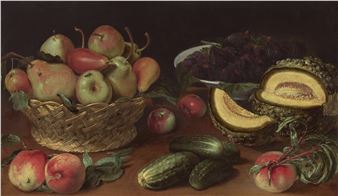
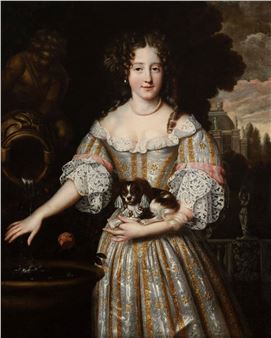
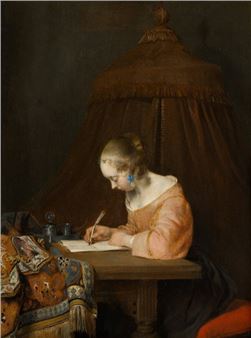
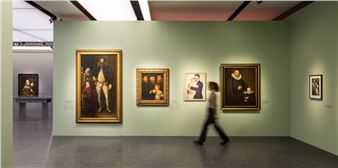
Women Artists from Antwerp to Amsterdam, 1600-1750 showcases a broad range of work by more than forty Dutch and Flemish women artists, including Gesina ter Borch, Maria Faydherbe, Anna Maria de Koker, Judith Leyster, Magdalena van de Passe, Clara Peeters, Rachel Ruysch, Maria Tassaert, Jeanne Vergouwen, Michaelina Wautier, and more. Presenting an array of paintings, lace, prints, paper cuttings, embroidery, and sculpture, this exhibition draws on recent scholarship to demonstrate that a full view of women’s contributions to the artistic economy is essential to understanding Dutch and Flemish visual culture of the period.
Women were involved in virtually every aspect of artistic production in the Low Countries during the seventeenth and early eighteenth centuries. During this period, colonial exploitation and the international slave trade enriched Europe’s upper and middle classes, fueling demand for art and other luxuries. From celebrated painters who excelled in a male-dominated field to unsung women who toiled making some of the most expensive lace of the day, to wealthy patrons who shaped collecting practices, women created the very fabric of the visual culture of the era. Within a thematic presentation that considers the intertwined influences of status, family, and social expectations on a woman’s training and career choices, this exhibition demonstrates the many ways in which women of all classes contributed to the booming artistic economy of the day.
Whether their work was circulated within aristocratic social circles, sold on the open market, or commissioned by patrons, women shaped and molded the world around them from Antwerp to Amsterdam.
Contact details

Related articles
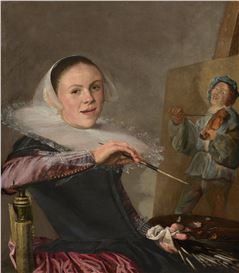
Remedying years of oversight, the National Museum of Women in the Arts is trying to make female painters from the Low Country household names in America.
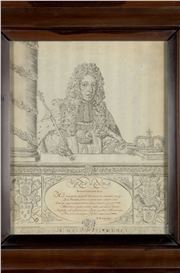
A new exhibition at the National Museum of Women in the Arts spotlights 40 women who found fame in the Low Countries between 1600 and 1750, including Koerten, Judith Leyster and Clara Peeters.
What's on nearby