ARTISTS
Zero
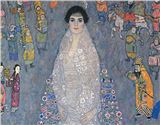
In the late 1950s some students in Düsseldorf started to make art that ran against the style and feeling of the moment. This was Germany, in the aftermath of World War II. The mood wasn’t light. But for these young people, it was time to break free from the anxious individualism that seemed to oppress the artists of the time.
Zero was named for its promise of new beginnings. (Later, 'ZERO' denoted the international incarnation of a movement.) Art was not something to be painfully extracted in solitude, but to be assembled and constructed alongside your peers, using whatever materials you could get your hands on at the time: cardboard, metal, cloth, mirrors, smoke... They banged nails, smashed bottles, poked holes, and cut up each other’s canvases. Strikingly disparate styles and techniques were united by the artists’ drive to provoke a strong sensory experience in the viewer. One-night exhibitions, put together in their studios, drew enthusiastic crowds, and eventually, the attention of Germany, Europe, and beyond. They weren’t interested in trawling through the ashes of the far or recent past. They wanted to stage an exhibition on the moon.

Recommended for you


In the late 1950s some students in Düsseldorf started to make art that ran against the style and feeling of the moment. This was Germany, in the aftermath of World War II. The mood wasn’t light. But for these young people, it was time to break free from the anxious individualism that seemed to oppress the artists of the time.
Zero was named for its promise of new beginnings. (Later, 'ZERO' denoted the international incarnation of a movement.) Art was not something to be painfully extracted in solitude, but to be assembled and constructed alongside your peers, using whatever materials you could get your hands on at the time: cardboard, metal, cloth, mirrors, smoke... They banged nails, smashed bottles, poked holes, and cut up each other’s canvases. Strikingly disparate styles and techniques were united by the artists’ drive to provoke a strong sensory experience in the viewer. One-night exhibitions, put together in their studios, drew enthusiastic crowds, and eventually, the attention of Germany, Europe, and beyond. They weren’t interested in trawling through the ashes of the far or recent past. They wanted to stage an exhibition on the moon.
Artists on show
- Arman
- Bernard Aubertin
- François Morellet
- Gabriele de Vecchi
- Getulio Alviani
- Jean Arp
- Jean Tinguely
- Josef Albers
- Julio Le Parc
- Karl Gerstner
- Konrad Balder Schäuffelen
- Marcel Duchamp
- Nicolas Schöffer
- Paul Talman
- Pol Bury
- Robert Rauschenberg
- Roy Lichtenstein
- Victor Vasarely
- Walter Leblanc
- Wilfried Elfers
- Yaacov Agam
- Yayoi Kusama
Contact details

What's on nearby