 BUY ART

HOS Gallery
Always Someone Else Dies
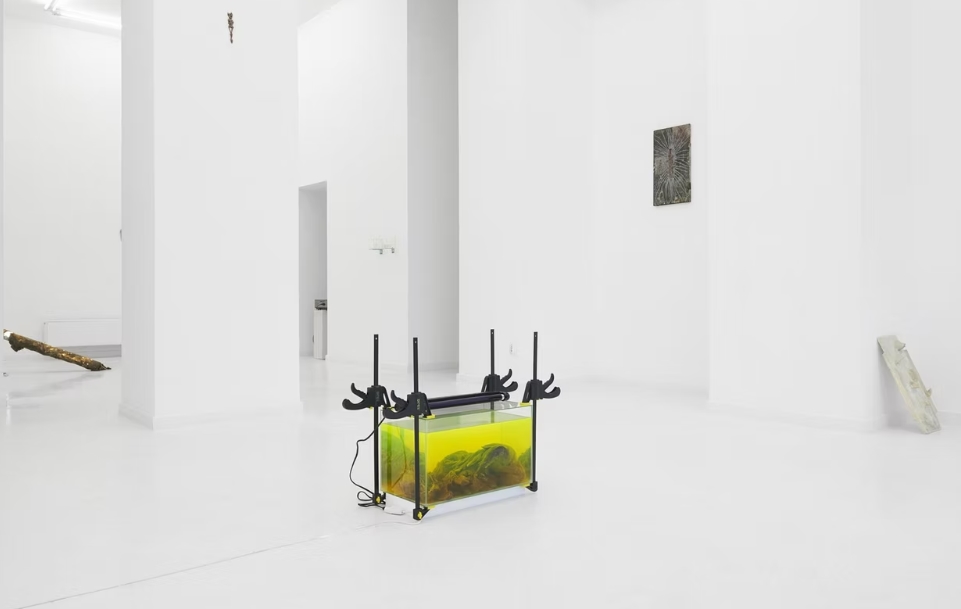
The future is in the bones. Underpinning the biological and cultural condition of humanity, they serve as both organic building blocks and carriers of meaning. They are the most enduring element of the human body, the only thing that remains of it after death, something that is an integral part of the process of ceasing to be human, transforming the body through various metamorphoses.
With the development of ever more sophisticated technologies, we can imagine that what is dead will increasingly and extensively become useful organic material, blurring the line between the living and the dead.
According to Ewa Domańska, human bodies are transformed into something non-human after death*. The remains, as organic collective entities, reveal the multi-species identity and communal nature of biological matter. The ontology of the dead body highlights its capacity for connection and the creation of new forms of kinship based on shared substance. It is both a real, material and dynamic entity and a process of continuous transformation, demonstrating the limitless potential for change.
After death, the body turns into an Other. A materialist understanding of life and death has led to dead bodies being seen as organic remnants belonging to Nature. This has given rise to ideas of using bodies as fertiliser and practices of 'cleansing' spaces of the dead – disposing of corpses to protect the health of the living*. Remains gain value based on what can be made of them or done with them, both symbolically and materially. What is dead begins to play a central role in sustaining earthly existence. To live is to enter into relationships and maintain the potential for transformation: of oneself and one's surroundings.
Artists demonstrate ways of thinking that are driven by the impressions generated by the inanimate body and its impact on reality. They bring reflection on the dead body closer and offer insight into the reality of the living. Operating within the categories of foreignness or adaptation, they creatively discover their limitations in order to free themselves from them. Objects elude binary divisions, appearing as something vague and indeterminate. They point to visuality, intertwining themes of primitiveness, decay and horror as aesthetic conventions. Referring to the ontology of the dead body, they expose the processes that death entails and reveal the possibilities of future biological diversification.
The exhibition manifests life as inseparable from matter. It employs what is dead to investigate what is real. It uses the deadness of bodies as a specific state that proves visually compelling, allowing a shift from aesthetic reflection to ontological contemplation. Dead bodies dissolve the boundary between culture and nature, becoming an inseparable element of the world-making process. Remains become beings – a kind of meta-community that has its own agency within the eco-necro framework.
Vague visual entanglements provoke transgressions, engage with multiple themes simultaneously, and convey the multidimensional structure of contemporary reality. The exhibition weaves an ambiguous narrative about the corpse as a symbol of non-being and a harbinger of impending decay. Engraved ornaments, sweaty fabrics and rippling folds of skin crumble in the hands, scattering the dust of things and events and revealing the presence of other life.